Updated April 25, 2026 · Originally published July 16, 2023
As the cannabis industry continues to grow and evolve, it's crucial for consumers to be well-informed about the various components of this versatile plant. Two essential compounds found in cannabis, THCa (tetrahydrocannabinolic acid) and Delta 9 (Delta-9-tetrahydrocannabinol), play distinct roles in the overall effects experienced by users. In this article, we'll delve into the differences between THCa and Delta 9, the importance of understanding your cannabis dose, and how the tCheck THC & CBD potency tester can help you dose with confidence.
🌿 THCa vs. Delta-9 THC: Key Takeaways
- Key difference: THCa is the non-psychoactive raw form; Delta 9 THC is the activated compound responsible for cannabis’ psychoactive effects
- Why it matters: Raw cannabis won’t get you high — decarboxylation activates THC, which is why proper heat application is essential for edibles, tinctures, and capsules
- Test for precision: Measure THCa and Delta-9 levels with a tCheck THC testing device to know exactly what’s in your product
In This Article
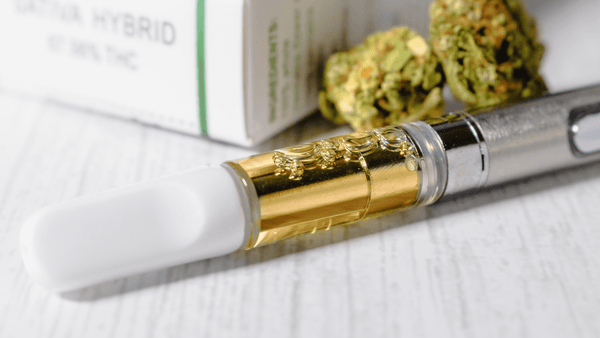
THCa: The Precursor Compound
THCa, as the name suggests, is the acidic precursor of Delta 9 THC. Found in raw or freshly harvested cannabis, THCa does not possess psychoactive properties. When cannabis is exposed to heat or prolonged storage, THCa undergoes a process called decarboxylation, which converts it into Delta 9 THC. Decarboxylation occurs naturally when cannabis is smoked or vaporized, as well as during cooking or baking. It’s important to note that consuming raw cannabis or THCa-rich products will not produce the same intoxicating effects as Delta 9 THC.
Delta 9: The Psychoactive Compound
Delta 9 THC is the primary psychoactive compound responsible for the euphoric “high” associated with cannabis use. It binds to the CB1 receptors in the brain and nervous system, triggering a cascade of effects that can include relaxation, altered perception, and heightened sensory experiences. Delta 9 THC is the most abundant and well-known cannabinoid in cannabis, and its potency can vary significantly depending on the strain, cultivation techniques, and processing methods.
Differences in Effects and Potential Benefits
While THCa is non-intoxicating, it still offers potential therapeutic benefits. Research suggests that THCa possesses anti-inflammatory, antiemetic, and neuroprotective properties, making it a promising candidate for conditions such as arthritis, nausea, and neurodegenerative diseases. On the other hand, Delta 9 THC is sought after for its euphoric and psychoactive effects, which can aid in relieving symptoms of pain, anxiety, and depression. It’s essential to consider these differences when choosing cannabis products based on your desired effects and specific health concerns.
Understanding Your Cannabis Dose
The importance of understanding and controlling your cannabis dose cannot be overstated. Whether you’re a seasoned cannabis enthusiast or a novice consumer, finding the right dosage is crucial for achieving the desired effects while avoiding unwanted side effects. Overconsumption of Delta 9 THC, especially for individuals with low tolerance, can lead to feelings of anxiety, paranoia, or sedation. Conversely, underdosing may result in insufficient relief for medical conditions or a lack of desired effects for recreational purposes.

Test Your Cannabis Potency at Home
To ensure accurate and reliable dosing, a dedicated potency testing device is an invaluable tool for any cannabis user. The tCheck home potency tester allows you to measure the THC and CBD concentration of your cannabis-infused products right at home. By measuring the concentration of THC and CBD, tCheck enables you to adjust your dosage according to your desired effects and personal tolerance. Its user-friendly interface and real-time results empower you to make informed decisions — maximizing the benefits of cannabis while minimizing the risks.
Understanding the differences between THCa and Delta 9 THC is crucial for any cannabis consumer. While THCa offers therapeutic potential without intoxication, Delta 9 THC delivers the psychoactive effects many users seek. Striking the right balance in cannabis dosing is essential to a safe and enjoyable experience. By incorporating a precision potency tester into your routine, you can accurately measure cannabinoid levels and make smarter, more confident decisions every time.
The Bottom Line
Understanding the difference between THCa and Delta 9 THC is essential for making informed cannabis choices. While THCa offers potential therapeutic benefits without causing a high, Delta 9 THC delivers the psychoactive effects many users seek. Knowing how these compounds work — and how processes like decarboxylation transform them — can help you better control your cannabis experience.
Equally important is understanding your dosage. Whether you’re using cannabis for wellness or recreation, the right balance ensures you get the desired effects without unwanted side effects. By incorporating a tCheck THC and CBD potency analyzer into your routine, you can accurately measure cannabinoid levels and make smarter, more confident decisions. In the end, knowledge and precision are key to a safe, effective, and enjoyable cannabis experience.
Frequently Asked Questions
What is the difference between THCa and Delta 9 THC?
THCa (tetrahydrocannabinolic acid) is the non-psychoactive acidic precursor found in raw cannabis. Delta 9 THC is the activated, psychoactive form that produces the “high” associated with cannabis use. THCa converts to Delta 9 THC through a process called decarboxylation, which occurs when cannabis is exposed to heat — such as when smoking, vaporizing, or baking into edibles.
Does THCa get you high?
No. THCa is non-psychoactive in its raw form. Consuming raw cannabis or THCa-rich products will not produce the intoxicating effects of Delta 9 THC. THCa must first be decarboxylated (activated through heat) to convert into Delta 9 THC and produce psychoactive effects. However, THCa does offer potential therapeutic benefits, including anti-inflammatory and neuroprotective properties.
How can I measure THCa and Delta 9 THC levels at home?
The tCheck cannabis testing device lets you measure the THC and CBD concentration of your cannabis-infused products right at home. By testing before and after decarboxylation, you can confirm that conversion was successful and know exactly how potent your final product is — helping you dose precisely and responsibly.

Written by
Peichen Chang
Founder & CEO, tCheck
Peichen spent most of his career designing ASICs (computer chips) for enterprise data storage. One day, a friend asked for help dosing her homemade edibles to control Parkinson’s symptoms, and tCheck was born. When he is not communing with AIs, he is cooking, traveling, or hiking.