Updated September 25, 2026 · Originally published March 12, 2024
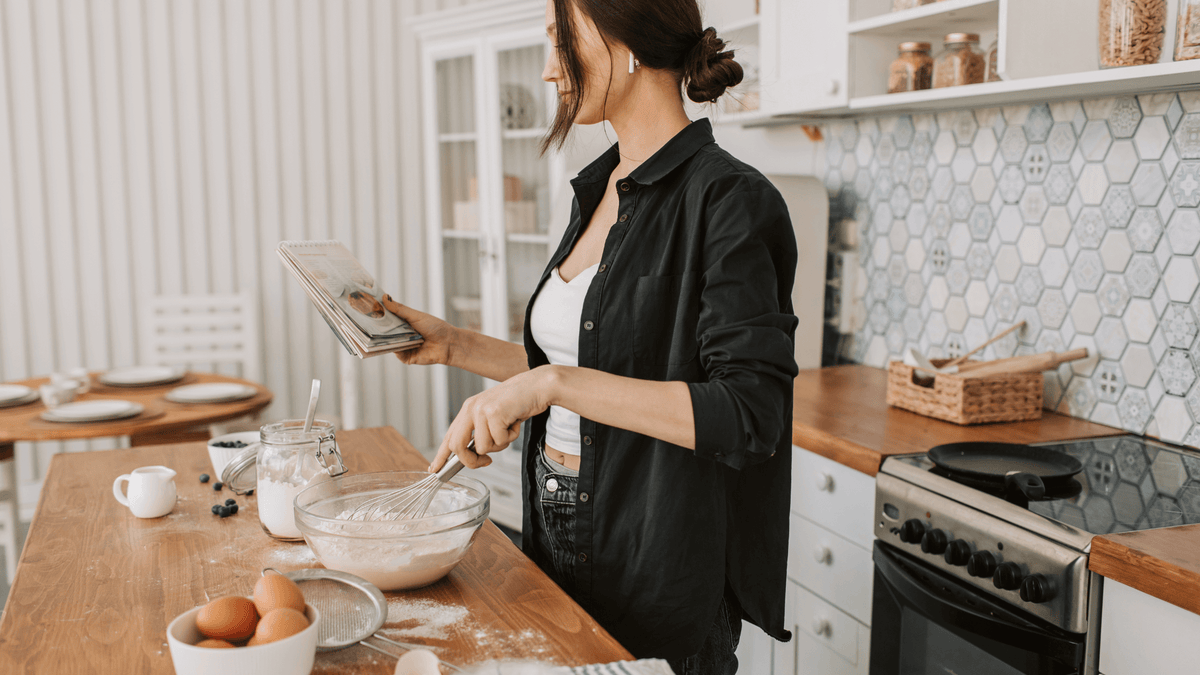
There’s nothing quite like a perfectly-dosed edible (or two) to help you unwind and feel good. Cannabis infused edibles have gained immense popularity for their therapeutic benefits and ease of consumption. Even better, they are fairly easy and cost-effective to make at home! Whether you’re brand new to DIY edibles or just looking for a refresher, it’s important to understand the challenges that arise when baking your own elevated treats — especially when it comes to accurately measuring for potency. In this guide, we’ll explore the top 4 mistakes people make when crafting cannabis infused edibles and show how a tCheck 3 potency tester can be an invaluable tool for precise dosing.
🌿 Top 4 Edible Mistakes: Key Takeaways
- Four common mistakes to avoid: Inaccurate Dosage Calculations | Inadequate Homogenization | Neglecting Decarboxylation | Overlooking Tolerance
- Dosing errors are #1: Inaccurate potency calculations are the most common cause of bad edible experiences
- Always decarb first: Skipping decarboxylation means your edibles won’t deliver the expected effects
- Test for accuracy: Measure your infusion’s actual potency with a tCheck home potency tester to eliminate guesswork every time
In This Article
Why Are Homemade Edibles Inconsistent?
Most uneven batches come down to four causes, and each one is a mistake covered below:
Unknown starting potency. Flower strength varies, even within one strain, so a recipe that worked last time can come out stronger or weaker.
Uneven mixing. Infused oil or butter that is not fully blended into the batter leaves some pieces far stronger than others. Our guide to cannabis homogenization explains why.
Skipped decarboxylation. THC that was never activated does not show up in the finished edible.
Portions that do not match the math. Scaling a recipe or cutting uneven pieces changes the dose in every serving.
Testing your infusion before you bake, including samples from different parts of the batch, shows which of these went wrong.
4 Biggest Mistakes When Making Cannabis-Infused Edibles
Mistake 1: Inaccurate Dosage Calculations
We’ve all been there: you accidentally took an edible that was way too strong and ended up couch-locked for the rest of the day. Or maybe you took one that wasn’t nearly strong enough and missed out on the relief you needed. Miscalculating dosage is one of the most common errors in homemade cannabis edibles. To avoid it, it’s crucial to know the concentration of your starting material and calculate the total cannabinoid content in the entire recipe accurately. Skipping this step leads to inconsistent effects — leaving you either underwhelmed or overwhelmed.
Tip: Measure Cannabis Concentration with tCheck
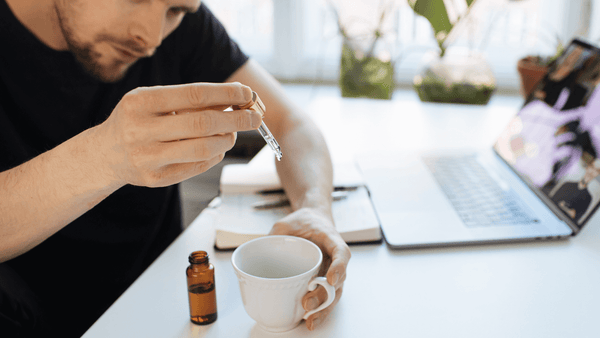
The tCheck THC potency tester provides a quick and easy way to measure cannabinoid content in your raw flower or infusions. Simply test your infused oil or butter to get a precise THC or CBD concentration, then use that number for accurate dosage calculations. The tCheck 3 home potency tester also supports raw hemp flower testing — so you can say goodbye to guesswork from the very first step.
Tip: Redo the Math Every Time You Scale or Portion
Doubling a recipe, halving it, or cutting a pan into different-sized pieces changes the dose in every serving. Start from the tested potency of your infusion, work out the total milligrams in the batch, then divide by the number of pieces you actually cut, and cut them evenly. A THC dosage calculator does the arithmetic for you.
Mistake 2: Inadequate Homogenization of Cannabis Oil

Have you ever seen a stick of cannabutter with a solid green layer at the bottom? While homogenization is a normal process, uneven distribution of plant material can cause dosing inconsistency across your batch — some portions being far more potent than others, leading to unpredictable effects.
Tip: Ensure Proper Homogenization
Use a reliable kitchen tool — such as an immersion blender or hand mixer — to thoroughly mix the oil into your recipe. The tCheck cannabis potency tester can also verify consistency by testing samples from different parts of your infusion, ensuring even distribution of THC or CBD throughout the batch.
Mistake 3: Neglecting Decarboxylation
THC/CBD-rich flowers and extracts must undergo decarboxylation to activate the cannabinoids and make them bioavailable. If you’re new to the decarboxylation process, read our step-by-step decarboxylation guide before you start. Skipping this step means your edibles will have minimal to no therapeutic effects — regardless of how much flower you used.
Tip: Decarboxylate Your Cannabis Flower
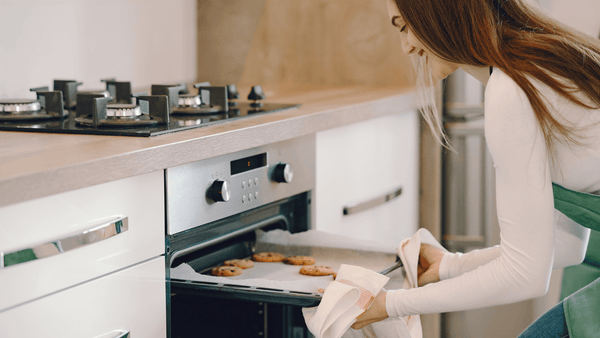
Before infusing your THC/CBD into oils or butter, always decarboxylate the raw material to activate the cannabinoids. In the oven, we recommend 230°F (110°C) for 40–60 minutes. Keep in mind that tCheck cannot measure raw, inactive cannabinoids (THCa, CBDa) — it’s designed to test properly decarboxylated, activated material. Following the correct decarboxylation procedure is essential for getting accurate potency readings and effective edibles.
Mistake 4: Overlooking Tolerance Levels
Not everyone has the same tolerance to cannabis, and ignoring individual differences can lead to uncomfortable experiences. Beginners in particular may feel overwhelmed if the dosage is too high for their tolerance.
Tip: Start Low and Go Slow
Consuming too much cannabis can be uncomfortable and unsettling, even if it’s not medically dangerous. Start with a low THC dosage in your recipes and work up gradually. The tCheck 3 at-home THC tester helps you fine-tune your dosing so you can create edibles that work across various tolerance levels — and consume with confidence.
Conclusion
Crafting cannabis infused edibles is an art that requires precision, patience, and attention to detail. By avoiding these common mistakes and incorporating accurate potency testing into your process, you can achieve consistent dosing, reliable potency, and a better experience for everyone enjoying your homemade creations. Ready to take the guesswork out of your kitchen? Explore tCheck’s full potency testing lineup and elevate your cannabis-infused edible game to the next level.
Frequently Asked Questions
Why do homemade edibles hit differently than store-bought ones?
Homemade edibles often have inconsistent potency due to two main issues: uneven homogenization (plant material settling unevenly in oil or butter) and unknown starting-material potency. Store-bought edibles are commercially tested and precisely dosed. When making edibles at home, testing your infused oil or butter with a device like tCheck before baking is the most reliable way to know what’s in each serving.
How do I calculate how much THC is in each homemade edible?
First, measure the THC concentration (in mg/mL or mg/g) of your infused oil or butter using a potency tester like tCheck. Then multiply by the volume of oil in your recipe to get total THC milligrams, and divide by the number of servings. For example: if your infused oil tests at 5 mg/mL and you use 100 mL total across 20 cookies, each cookie contains approximately 25 mg of THC.
Can I test raw flower with tCheck before infusing?
Yes — the tCheck 3 supports raw flower testing in addition to infusions, tinctures, and oils. Testing raw flower before infusing helps you predict the final potency of your infusion before you start. Note that tCheck measures activated (decarboxylated) THC, so for raw flower testing, the device accounts for the conversion during decarboxylation. Always decarboxylate properly before infusing to ensure your results translate accurately into your edibles.
What temperature should I decarb cannabis at before making edibles?
We recommend 230°F (110°C) for 40–60 minutes in the oven. Our decarb guide covers the oven, mason jar, foil pouch and sous vide methods.
Can I fix a batch of edibles that came out too strong?
Yes. Cut each piece smaller to lower the dose per serving. If you still have some of the infused butter or oil, blend it with plain butter or oil to make a larger, milder batch.

Written by
Peichen Chang
Founder & CEO, tCheck
Peichen spent most of his career designing ASICs (computer chips) for enterprise data storage. One day, a friend asked for help dosing her homemade edibles to control Parkinson’s symptoms, and tCheck was born. When he is not communing with AIs, he is cooking, traveling, or hiking.