
Updated September 25, 2026 · Originally published April 8, 2024
In a world where cannabis is becoming increasingly normalized and accessible, it's essential to consider the significance of building tolerance breaks into your practice. While cannabis offers numerous therapeutic benefits, frequent use can lead to tolerance buildup, diminishing its effects over time. A mindful tolerance break not only resets your body's response to cannabis but also fosters a healthier relationship with the plant. In this blog, we delve deeper into the importance of tolerance breaks, provide additional self-care strategies, and explore alternative methods to manage symptoms during the break.
🔑 Tolerance Breaks & Self-Care: Key Takeaways
- How long: Two to four weeks is the usual target; about a month lets CB1 receptors recover almost fully
- Reset & rebalance: Even a 48-hour break can noticeably reduce your THC tolerance
- Test for precision: Post-break, your effective dose drops—recalibrate with the tCheck home potency tester
🌱 Why Tolerance Breaks Help
Tolerance refers to the body's reduced response to a substance over time with consistent use. In the case of cannabis, this means needing larger doses to achieve the same effects. The mechanism behind tolerance involves the body's attempt to maintain equilibrium, adjusting its receptors and neurotransmitter levels in response to repeated exposure to cannabinoids like THC.
Importance of Tolerance Breaks

Enhanced Effectiveness: Taking a break allows your body to reset its cannabinoid receptors, making cannabis consumption more effective when you resume.
Cost-Effectiveness: Tolerance breaks can save you money since you'll need less cannabis to achieve desired effects post-break.
Physical and Mental Clarity: Regular breaks promote mental clarity, improved memory, and increased energy levels, contributing to overall well-being.
Avoidance of Dependency: By periodically abstaining from cannabis, you reduce the risk of dependency and maintain a healthy relationship with the plant.
Science Behind Tolerance
When you consume cannabis, THC interacts with cannabinoid receptors in the brain, altering neurotransmitter release. With prolonged use, the body adjusts by reducing receptor sensitivity or producing fewer receptors, leading to diminished effects. Dopamine, a neurotransmitter associated with reward and pleasure, is particularly affected by prolonged cannabis use, contributing to tolerance.
How Long Should a T-Break Be?
There is no single answer, because tolerance builds and fades at a different pace for everyone. The research does give a useful range.
Two days is a start. A brain-imaging study at Yale found that the CB1 receptors of heavy cannabis users had already begun to recover after two days without cannabis.
Two to four weeks is the usual target. Frequent users should aim for two to three weeks off for the best results. In a National Institute of Mental Health study, people who stopped for about a month showed an almost complete recovery of their CB1 receptors.
How Quickly Does THC Tolerance Build?
Faster than most people think. In a study at the Medical College of Virginia, mice developed a tolerance to THC after just 1.5 days and three doses; once the THC stopped, it took about 11 days for them to return to baseline. THC also lingers in the body: clinical data put its half-life at five to twelve days for frequent users, against about 1.5 days for occasional ones.
The only way to know your own pattern is to keep notes on what you take and how it feels, and to know how much THC is actually in it. A tCheck home potency tester tells you that.
Is Weed Withdrawal Real?
Mild withdrawal is common for daily users: headaches, low mood, irritability, and changes in appetite and digestion. Symptoms usually peak within the first 72 hours, which is why tapering down beforehand and planning activities for the first few days both help. If you are worried about withdrawal, talk to a doctor who has experience with medical cannabis.
Does CBD Build a Tolerance?
Probably not in the same way. Research from Dalhousie University suggests CBD does not bind to CB1 receptors the way THC does; it dampens THC's effect on them instead. That is one reason the strategies below include CBD as a way to ease a break.
Top 5 Tips for a Mindful Tolerance Break
1. Set Clear Intentions: Define your reasons for taking a break and set achievable goals.
2. Gradual Reduction: Taper your consumption gradually to minimize withdrawal symptoms and cravings.
3. Engage in Distractions: Keep yourself occupied with activities you enjoy to distract from cravings and withdrawal discomfort.
4. Seek Support: Share your intention with supportive friends or join online communities for encouragement and accountability.
5. Practice Self-Care: Prioritize self-care activities like exercise, meditation, and adequate sleep to support your body and mind during the break.
Additional Self-Care Strategies for Long-term Users

1. Nutrition: Focus on a balanced diet rich in fruits, vegetables, lean proteins, and whole grains to support overall health and well-being. Avoid excessive caffeine and sugar intake, which can exacerbate withdrawal symptoms.
2. Hydration: Drink plenty of water throughout the day to stay hydrated and flush toxins from your system. Herbal teas and infused waters can also be soothing alternatives.
3. Routine: Establish a daily routine that includes regular meals, exercise, and relaxation techniques to promote stability and reduce stress during the break.
4. Therapy and Counseling: Consider seeking professional support from a therapist or counselor, especially if you're experiencing significant withdrawal symptoms or underlying mental health issues.
Alternative Methods for Symptom Management:
1. Cannabidiol (CBD): CBD is a non-intoxicating cannabinoid found in cannabis known for its therapeutic effects, including anxiety relief. Incorporating CBD products such as oils, capsules, or edibles can help alleviate anxiety and promote relaxation during the tolerance break.
2. Mindfulness Practices: Engage in mindfulness meditation, deep breathing exercises, or yoga to cultivate awareness, reduce stress, and manage cravings effectively.
3. Herbal Supplements: Explore herbal supplements like chamomile, valerian root, or passionflower, known for their calming properties and ability to support relaxation and sleep.
4. Physical Activity: Regular exercise releases endorphins, natural chemicals in the brain that improve mood and reduce stress. Aim for at least 30 minutes of moderate exercise daily, such as walking, cycling, or yoga.
Easing Back Into Cannabis After your T-Break
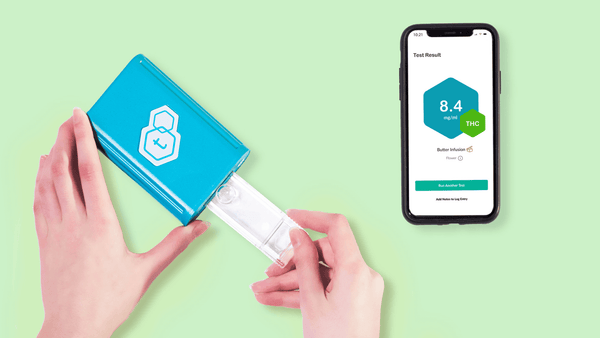
1. Monitor Potency with tCheck: Get to know the strength of your cannabis flower and homemade edibles with the tCheck potency tester, a revolutionary device that allows you to precisely measure the potency of your herb. Understanding how potent each cannabis experience will be can help cultivate a sustainable practice of self-awareness and moderation. Visit the tCheck website to learn more and take control of your cannabis experience.
2. Join the Community: Connect with like-minded individuals on forums or social media platforms to share experiences, tips, and support during your tolerance break journey.
3. Educate Yourself: Stay informed about cannabis science, tolerance management, and harm reduction strategies to make informed decisions about your consumption habits.
Taking a tolerance break from cannabis is not only beneficial for optimizing its effects but also for maintaining a balanced lifestyle. By understanding the science behind tolerance buildup, implementing mindful strategies, and incorporating self-care practices, you can navigate the break successfully and emerge with a renewed appreciation for cannabis and its potential benefits. Remember, self-compassion and patience are key during this process, and seeking support when needed can make all the difference in your journey toward holistic well-being.
Do You Know How Strong Your Dosing? Skip the Guesswork with tCheck
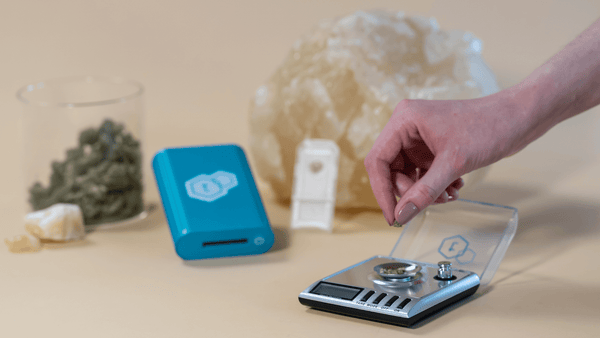
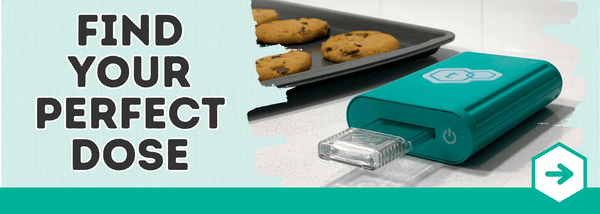
A massive benefit of the tCheck potency tester is the ability to dial in the exact potency of every dose of cannabis. Previously, consumers have had to rely on questionable guesswork and expensive labs. Now, all cannabis enthusiasts can get industry-grade, accurate, and reliable potency testing that fits in the palm of their hand. Find out how you can elevate your mindful consumption practice with the brand new tCheck 3 at-home potency tester at tCheck.me.
The Bottom Line
Taking a mindful THC tolerance break is a powerful way to reset your body, improve clarity, and build a healthier relationship with cannabis. By focusing on self-care, balanced routines, and gradual reintroduction, you can return to cannabis with better control and awareness.
Using tCheck helps you understand potency and dose accurately, making your experience safer and more consistent. Prioritize your well-being, stay patient during your break, and embrace a more mindful, balanced approach to cannabis consumption moving forward.
Frequently Asked Questions
What is a THC tolerance break?
A tolerance break (T-break) is a deliberate pause from cannabis use to allow your CB1 receptors to recover sensitivity to THC, restoring the effectiveness of lower doses.
How long should a tolerance break last?
Most people notice meaningful improvement after 2–4 weeks. A full 30-day break is recommended for a complete receptor reset, though even 1–2 weeks can help.
What happens in my body during a tolerance break?
CB1 receptors in your endocannabinoid system gradually upregulate — increasing in sensitivity — which restores the effectiveness of THC at doses that previously felt too mild.
How do I manage discomfort during a tolerance break?
Stay hydrated, maintain regular exercise, prioritize sleep, and consider CBD products to ease the transition without activating the same tolerance pathways as THC.
Will my edible dose need to change after a tolerance break?
Yes. After a successful break, your sensitivity will be significantly higher. Start with 5mg or less and wait at least 90 minutes before considering more.
Know Your Potency Before You Dose
The tCheck Potency Tester gives you lab-accurate THC and CBD readings from your infusions in about 2 minutes — no guesswork, no wasted batches.
Get the tCheck Potency Tester →
Written by
Peichen Chang
Founder & CEO, tCheck
Peichen spent most of his career designing ASICs (computer chips) for enterprise data storage. One day, a friend asked for help dosing her homemade edibles to control Parkinson’s symptoms, and tCheck was born. When he is not communing with AIs, he is cooking, traveling, or hiking.