Updated April 25, 2026 · Originally published December 31, 2024
When shopping for cannabis, you’ve likely encountered products labeled as indica, sativa, or hybrids of the two. While these labels are common, what do they truly mean, and how do they affect your experience? This article unpacks the differences between indica and sativa, the myths surrounding them, and why focusing on potency and terpenes leads to a better-informed cannabis experience.
🌿 Indica vs. Sativa: Key Takeaways
- Classic distinction: Indica and sativa originally described plant morphology and geographic origin — not necessarily how they’ll make you feel
- Terpenes matter more: Chemical profile (cannabinoids + terpenes) predicts effects better than indica/sativa labels alone
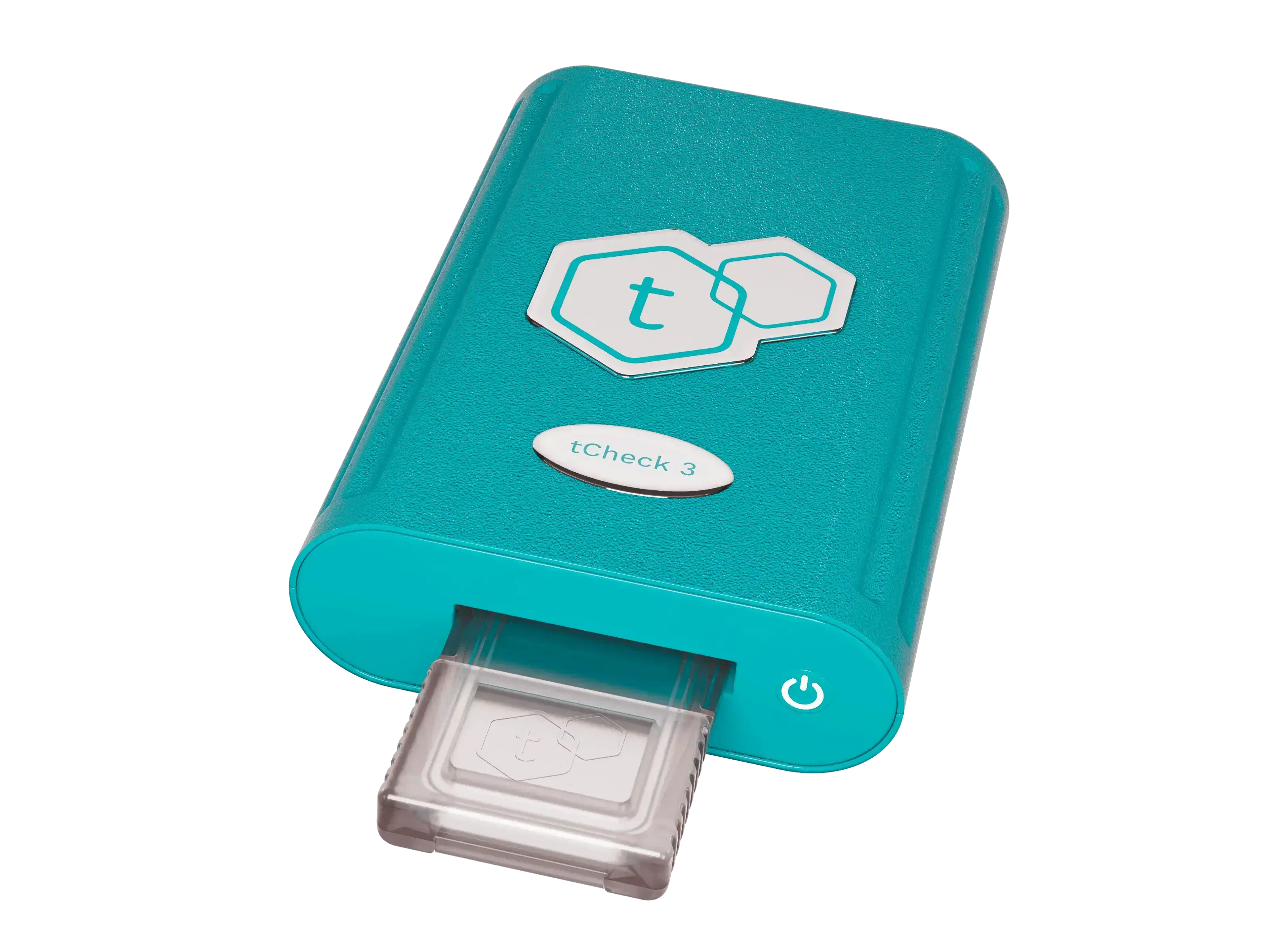
- Test for precision: Go beyond labels — test actual potency with a tCheck cannabis testing device to know what’s really in your product
In This Article

Origins of Indica and Sativa
The terms indica and sativa were originally used to describe cannabis plants based on their physical characteristics and geographical origins:
- Sativa: Tall, thin plants with narrow leaves. They thrive in warmer climates and were historically cultivated for fiber and seeds.
- Indica: Short, bushy plants with broad leaves. They originated in colder, mountainous regions and were known for high resin production.
While these differences in plant structure are valid, their direct connection to effects is more nuanced than the labels suggest.
Commonly Perceived Effects
Traditionally, indica and sativa strains are associated with distinct effects:
- Indica: Often linked to relaxation, sedation, and “body highs,” making it a popular choice for evening use.
- Sativa: Known for uplifting, energizing effects and “head highs,” often favored for daytime activities or creative pursuits.
However, recent research shows that these effects aren’t solely determined by a plant’s classification. Cannabinoid content, terpene profiles, and individual biology all play a more significant role.
Why Indica vs. Sativa Isn’t the Full Story
The idea that all indicas are sedating and all sativas are energizing oversimplifies the complexity of cannabis. A strain’s effects are more accurately determined by its chemical profile:
- Cannabinoids: THC and CBD levels heavily influence the intensity and type of effects experienced.
- Terpenes: These aromatic compounds (like myrcene or limonene) affect the smell, taste, and overall experience of cannabis. For example, a sativa strain with high levels of myrcene may actually feel relaxing — contrary to the energizing stereotype.
Instead of relying solely on indica or sativa labels, consider these factors when choosing a product: the potency (THC and CBD levels), the terpene profile, and your personal tolerance. Everyone’s endocannabinoid system reacts differently, so start low and go slow when trying anything new.
The Role of Potency Testing
Understanding the actual potency of your cannabis product is essential for ensuring a positive experience. With the tCheck Potency Tester, you can measure the THC and CBD levels in your homemade infusions, tinctures, and oils. Whether you’re working with indica, sativa, or a hybrid, knowing your exact potency allows you to:
- Avoid overconsumption by dosing accurately from the start
- Customize dosages based on your personal tolerance and desired effects
- Achieve consistent results every time you infuse

What This Means For You
While indica and sativa remain useful categories, they’re only part of the equation when understanding cannabis. By focusing on cannabinoids, terpenes, and precise potency, you can make better-informed choices tailored to your needs. Ready to take control of your cannabis experience? A tCheck home potency tester from tCheck can help you measure and manage your products with real confidence.
Frequently Asked Questions
What is the difference between indica and sativa cannabis?
Indica and sativa originally describe cannabis plant types based on physical characteristics and geographic origins. While indica is associated with relaxing body highs and sativa with energizing head highs, these generalizations are oversimplified. A strain’s actual effects are more accurately determined by its cannabinoid and terpene profile.
Does the indica vs. sativa distinction actually matter?
Less than most people think. The effects of any cannabis product are more reliably predicted by its THC and CBD levels and terpene profile. Focus on the chemical profile rather than the label for a more consistent experience.
How can I tell the actual potency of my cannabis product?
A tCheck THC and CBD potency analyzer like tCheck measures the THC and CBD concentrations in your cannabis-infused products — oils, tinctures, and edibles. This gives you precise numbers rather than relying on strain labels or dispensary estimates.