Updated September 22, 2026 · Originally published December 3, 2025
If you've ever wondered how people create perfectly potent homemade edibles, deliciously infused oils, or smooth tinctures, here's the secret: it's easier than you think... as long as you understand the basics and know how to measure potency. Whether you're totally new to infusion-making or leveling up from store-bought edibles, this guide will walk you through the essentials so you can start infusion like a pro.
🌿 Cannabis Infusions 101: Key Takeaways
- Infusion basics: Decarb, choose your carrier fat (butter, oil, or alcohol), then infuse
- Low and slow: Maintain 160–200°F during infusion to preserve cannabinoids
- Test for precision: Know your infusion's exact potency with the tCheck home potency tester before dosing
Why Make Your Own Cannabis Infusions?

Making infusions at home puts you in control. You get to choose:
- The strain or type of flower you prefer
- Your infusion method
- Your potency
- Your recipes
Plus, homemade infusions are often more cost-efficient (and a lot more fun). Once you learn the fundamentals, you can easily create infused brownies, gummies, mocktails, dressings, butter, oils, and more—all tailored to your exact preferences.
Let's break down how to get started.
Start With Decarboxylation (Your Infusion's Foundation)
Before you infuse anything, you have to activate your flower. Raw cannabis won't deliver the effects you expect because the cannabinoids are still in their acidic form. Decarboxylation converts THCA into THC and CBDA into CBD—unlocking the goodness you want in your infusion.
How to decarb (beginner-friendly):
- Preheat your oven to 230°F (110°C)
- Break your flower into small pieces
- Spread it on a baking sheet
- Bake for 40–60 minutes, gently mixing halfway through
Your flower should look lightly toasted—not burnt. Not sure it’s done? At 230°F, an extra 10–20 minutes is cheap insurance; stopping too early is the bigger risk. (Here’s the lab data behind that.)
Choose Your Infusion Base
Your infusion base determines how you'll use the final product. Popular options include:
Butter
Classic for baking and cooking (cookies, brownies, mashed potatoes, you name it).
Coconut Oil
Ideal for gummies, baked goods, and even topicals thanks to high fat content.
Olive Oil
Perfect for savory dishes and salad dressings.
Tinctures (Alcohol-Based)
Great for precise dosing or adding to drinks and syrups.
Sweeteners (Honey, Agave, etc.)
Perfect for mocktails, lattes, and cozy nighttime teas.
Choose the base that fits your recipe ideas or lifestyle.
Infuse Low and Slow
Regardless of your base, the golden rule is low heat, long time.
This prevents burning off cannabinoids and keeps your infusion smooth and flavorful.
General beginner method:
- Add your decarbed flower to your butter/oil
- Heat on low (160–180°F / 70–82°C) for 1.5–3 hours
- Strain through cheesecloth or a fine mesh strainer
- Store in an airtight container in a cool, dark place
Easy, right?
The Pro Secret: Always Test Potency
Even the best infusion methods still come with one big variable: potency.
How strong is your infusion? How many milligrams per teaspoon? How much should you use in a recipe?
This is where most beginners guess—and where most mishaps happen.
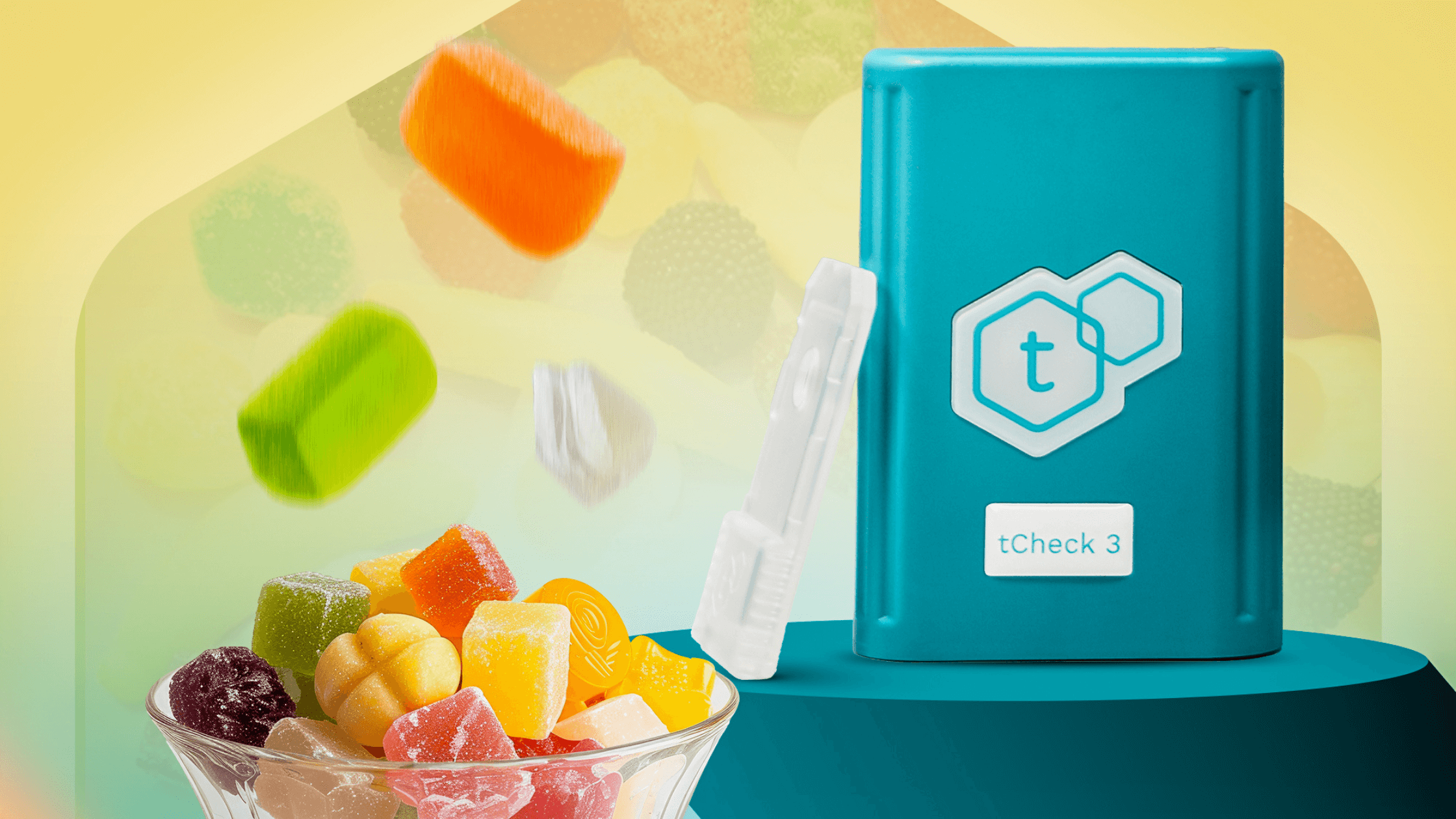
To make consistent, predictable, professional-level infusions every time, you need to measure potency, not approximate it. That's exactly what the tCheck potency tester is designed for.
With the tCheck home potency tester, you can:
- Test your infused oils and butters
- Test tinctures
- (With the Flower Testing Kit) measure your flower before infusing
- Know exactly how potent your infusion is
- Dial in your recipes with confidence
No more guessing. No more surprises. Just precision.
Store Your Infusions Like a Pro
For best results:
- Use airtight glass containers
- Keep oils in a cool, dark pantry
- Refrigerate butter
- Store tinctures in dark glass dropper bottles
Proper storage protects potency and keeps your infusion fresh for weeks or months.
Get Creative With Recipes
Once you have a precise, reliable infusion, the fun really begins. Try:
- Infused hot cocoa
- Holiday cookies
- Salad dressings
- Mocktails and seasonal drinks
- Gummy candies
- Pasta sauces
- Brownies or blondies
The possibilities are endless—especially when you know exactly what's in each serving.
Ready to Make Infusions Like a Pro?
The real difference between beginners and pros isn't complicated techniques—it's consistency and confidence. With the right tools, especially a reliable potency tester, you can elevate every infusion you make.
Whether you're infusing for yourself, gifting homemade treats, or exploring a new hobby, tCheck helps you do it smarter, safer, and with precision.

Wrapping Up
Making cannabis infusions like a pro is easier than it seems when you understand the basics. With the right steps—like proper decarbing, slow infusion, and knowing your potency—you can create infusions that turn out great every time. It's all about practice, patience, and a little confidence.
Once you get the hang of it, you'll enjoy making your own recipes and experimenting in the kitchen. Start simple, stay mindful, and have fun with it!
Frequently Asked Questions
What’s the best carrier oil for cannabis infusions?
The best carrier oil depends on your recipe. Coconut oil (high saturated fat, ~90%) and MCT oil are ideal for maximum cannabinoid binding and edibles. Olive oil is great for savory dishes. Butter is the classic choice for baked goods. All four work well — choose based on how you plan to use the infusion.
What temperature should I use to infuse cannabis oil?
Keep infusion temperature between 160–200°F (70–93°C). Higher temperatures can degrade THC and CBD, reducing potency. A slow cooker on “low” setting or a double boiler works well for maintaining consistent heat.
How do I know how strong my cannabis infusion is?
Use the tCheck potency tester — the only reliable way to know your exact mg/mL at home. Without testing, even experienced makers can’t accurately predict potency since starting material strength, extraction efficiency, and heat time all vary batch to batch.

Written by
Peichen Chang
Founder & CEO, tCheck
Peichen spent most of his career designing ASICs (computer chips) for enterprise data storage. One day, a friend asked for help dosing her homemade edibles to control Parkinson’s symptoms, and tCheck was born. When he is not communing with AIs, he is cooking, traveling, or hiking.