Updated April 25, 2026 · Originally published September 18, 2022
Making potent cannabis edibles, tinctures, or topicals at home starts with one critical step most beginners skip: decarboxylation. Raw cannabis contains THCA and CBDA—inactive acids that won't get you high and won't deliver therapeutic effects until they're converted into THC and CBD through heat. Skip this step, and even your best recipe won't work.
Whether you're a DIY edibles enthusiast or decarbing for the first time, this guide covers four proven methods with exact temperatures and times—plus how to verify your results so you're never guessing.
4 Easy Ways to Decarb Weed at Home
Also in this guide
Oven variance of ±25°F affects potency. Verify your decarb actually worked.
Test with tCheck →What Is Decarboxylation?
Decarboxylation (commonly known as "decarbing") is a heat-based chemical process that removes a carboxyl group from cannabinoids like THCA (tetrahydrocannabinolic acid) and CBDA (cannabidiolic acid), converting them into their active forms: THC and CBD.
In raw cannabis, cannabinoids are present primarily as acidic precursors (THCA and CBDA). These acids have their own potential benefits—but they don't produce the psychoactive or therapeutic effects associated with activated THC and CBD. Only when exposed to heat do they lose the carboxyl group (-COOH) and become the cannabinoids that interact with your endocannabinoid system.

In other words: no decarboxylation = no high, no therapeutic effect. That's why this step is critical for anyone making edibles, tinctures, or topicals at home.
📊 Quick Reference: Decarboxylation Temperature & Time Chart
Bookmark this chart for your next session. Temperatures and times vary by method and material—here's what works:
| Method | Temperature | Time | Best For |
|---|---|---|---|
| 🔥 Oven | 225°F (107°C) | 60–90 min | All-purpose, easiest setup |
| 🫙 Mason Jar | 225°F (107°C) | 60 min | Odor control, terpene preservation |
| 🌡️ Sous Vide | 200°F (93°C) | 90–120 min | Precision, maximum terpene retention |
| ⏱️ Microwave | High power | 3–5 min (intervals) | Quick fix only, least reliable |
Important: Home ovens commonly vary ±25°F from their display temperature. The only way to know if your decarb actually worked is to test your finished product for potency.
🔥 Decarboxylate Cannabis in the Oven
The oven method is the most widely used because it's convenient, doesn't require any special equipment, and provides a low-temp environment that's ideal for preserving cannabinoids.
Materials Needed:
- Baking sheet
- Parchment paper or aluminum foil
- Your cannabis (buds, kief, or trim)
Step-by-Step Instructions:
- Preheat your oven to 225°F (107°C).
- Break up your cannabis into small, even pieces (but don't grind it too finely—you want airflow).
- Spread it evenly on a baking sheet lined with parchment or foil.
- Bake for at least 60 minutes (some sources recommend 60–90 minutes). Check every 15 minutes to avoid burning.
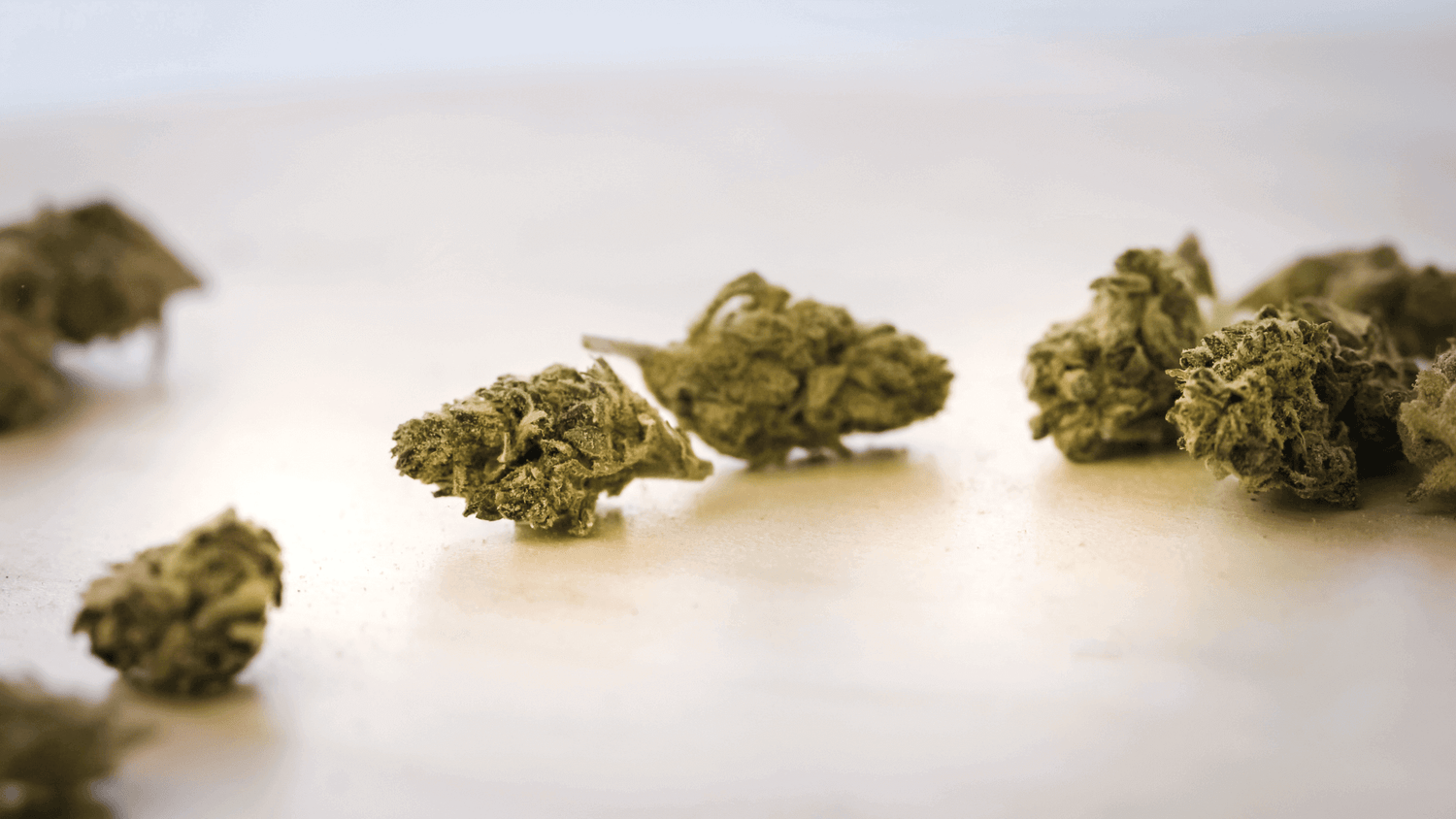
- Your cannabis should turn golden brown and become slightly crumbly.
- Remove from the oven and let it cool for about 20 minutes.
- Store your decarbed cannabis in an airtight, opaque jar until you're ready to infuse.
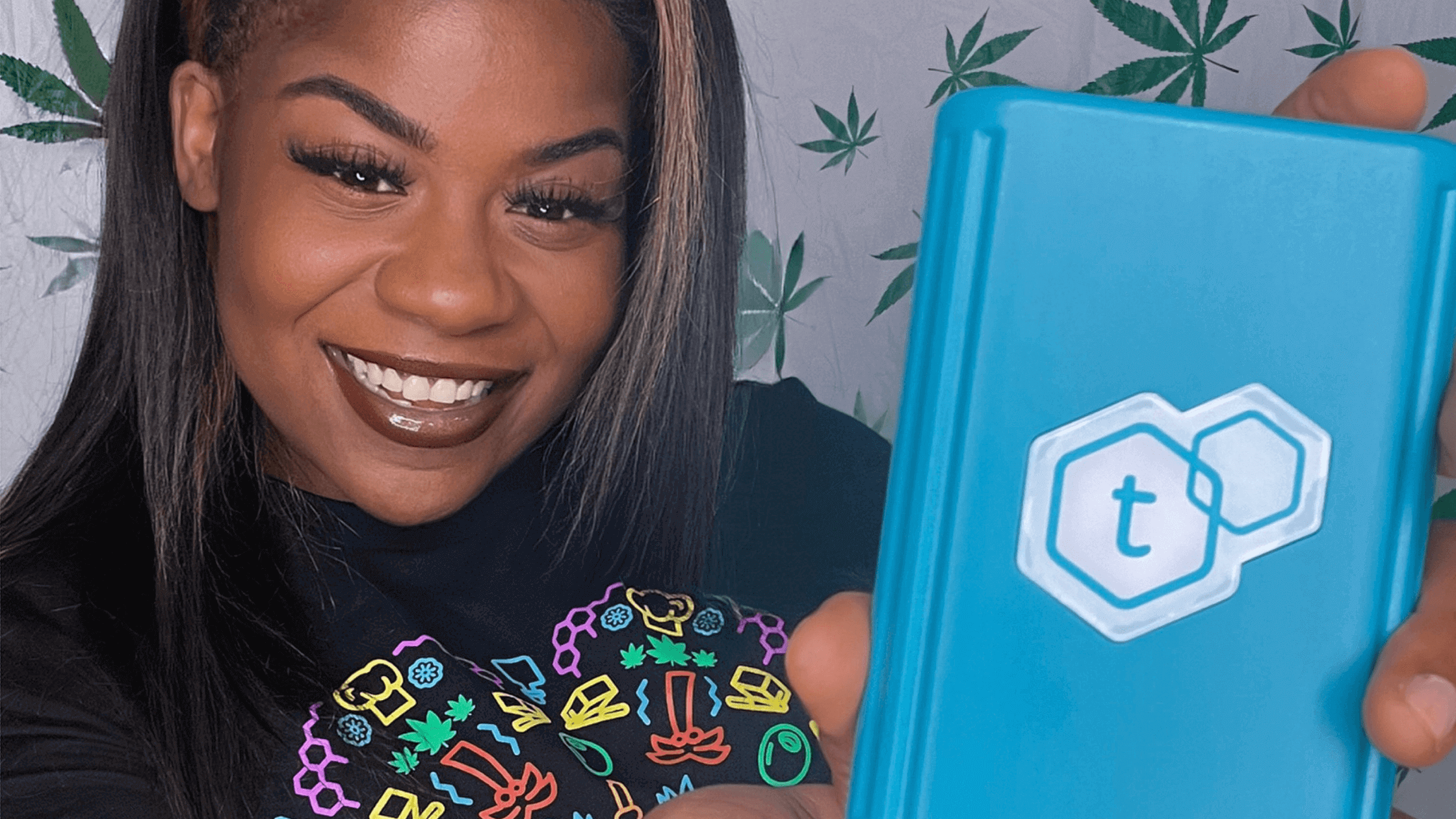
Pro tip: Ovens can be unreliable—temperature variance of ±25°F is common. For consistent results, test your finished product with a portable THC potency tester like tCheck. A quick 30-second test tells you exactly how much THC activated in your batch, so you can dial in your infusion ratios with confidence.

🫙 Decarbing Cannabis in a Heat-Proof Canning Jar
If odor control is a priority, the mason jar method is an excellent alternative. By sealing your cannabis in a heat-proof jar, you contain the smell while still achieving full decarboxylation.
Materials Needed:
- Heat-proof canning jar (like a Ball or Kerr wide-mouth jar)
- Baking sheet
- Moistened hand towel
- Your cannabis
Step-by-Step Instructions:
- Preheat your oven to 225°F (107°C).
- Break up your cannabis and place it inside the jar (fill no more than 2/3 full to allow airflow).
- Lightly seal the jar—just finger-tight, not fully torqued down.
- Place the jar on a moistened hand towel on a baking sheet (this prevents direct contact with the hot pan and reduces the risk of breakage).
- Bake for 60 minutes. Shake the jar every 20 minutes (using an oven mitt) to redistribute the cannabis.
- Remove the jar carefully and let it cool completely before opening (this prevents a burst of odor and preserves terpenes).
Why this works: The sealed jar traps the smell and creates a gentle, humid environment that can help preserve more terpenes than the open-air oven method. Want to know how your terpene preservation compares? Test your jar-decarbed cannabis with tCheck to see if the sealed method gave you a stronger result than your usual oven batch.

🌡️ Decarboxylate Cannabis Using Sous Vide
Sous vide decarboxylation offers the most precise temperature control, making it ideal for preserving delicate terpenes and cannabinoids. It's also virtually odorless when done correctly.
Materials Needed:
- Sous vide precision cooker (like an Anova or Joule)
- Large pot or container
- Vacuum-seal bags or heavy-duty freezer bags
- Your cannabis
Step-by-Step Instructions:
- Set your sous vide to 200°F (93°C).
- Break up your cannabis and place it in a vacuum-seal bag (or use a freezer bag with the water displacement method).
- Submerge the sealed bag in the water bath.
- Cook for at least 90 minutes. Some users go as long as 2 hours for maximum decarb.
- Remove the bag and let it cool before opening.
Why this works: Sous vide maintains exact temperatures without fluctuation, reducing the risk of over-decarbing or burning. If you're investing in precision equipment for your decarb, pair it with a tCheck potency test to verify your results—precision in, precision out.

⏱️ Decarboxylate Cannabis in the Microwave
The microwave method is the fastest option—but also the least reliable. Use this only in a pinch, as uneven heating can lead to inconsistent activation or burnt cannabis.
Materials Needed:
- Microwave-safe dish
- Lid or microwave-safe cover
- Your cannabis
Step-by-Step Instructions:
- Place your cannabis in a microwave-safe dish and cover it.
- Microwave on high for 90 seconds.
- Let it rest for 60 seconds (do not remove the cover).
- Repeat this cycle (microwave 90 seconds, rest 60 seconds) until your cannabis turns golden brown.
- Let it cool completely before use.

Note: This method is not recommended for large batches or high-value cannabis. Microwave heating is notoriously uneven, meaning part of your cannabis may be fully decarbed while other parts remain raw. If you do use this method, testing with tCheck afterward is especially important to know what you're actually working with.
🏆 Which Decarb Method Is Best?
The right method depends on your priorities—speed, odor control, precision, or simplicity. Here's how they compare:
| Factor | Oven | Mason Jar | Sous Vide | Microwave |
|---|---|---|---|---|
| Ease of Use | Easiest | Easy | Moderate | Easiest |
| Odor Control | Poor | Good | Excellent | Moderate |
| Temp Precision | Low (±25°F) | Low (±25°F) | High (±1°F) | None |
| Terpene Retention | Moderate | Good | Best | Poor |
| Time Required | 60–90 min | 60 min | 90–120 min | 3–5 min |
| Equipment Needed | Oven only | Oven + jar | Sous vide cooker | Microwave only |
| Consistency | Good | Good | Excellent | Poor |
Our recommendation: If you're making edibles regularly, the oven method hits the best balance of convenience and results for most people. If odor is a concern (apartment dwellers, shared spaces), go with the mason jar. If you already own a sous vide cooker and want the most precise decarb possible, sous vide is unmatched. Skip the microwave unless you're truly in a pinch.
Regardless of which method you choose, the variable you can't control is your specific oven, altitude, or cannabis moisture content. That's why serious home processors test every batch with tCheck—the 30-second potency read removes the guesswork and lets you calculate precise dosing for your edibles.
⚠️ What Happens If You Over-Decarb Your Cannabis?
Over-decarboxylation is one of the most common mistakes home processors make—and it's easy to do if your oven runs hot or you lose track of time.
When cannabis is exposed to too much heat for too long, THC begins converting into CBN (cannabinol). CBN is a much less psychoactive cannabinoid that's associated with sedation and sleepiness rather than the effects most people are looking for in edibles. In other words, over-decarbing doesn't destroy your cannabis entirely—but it changes the effect profile in ways you probably didn't intend.
Signs you've over-decarbed:
- Your cannabis turns dark brown or black instead of golden-brown
- It crumbles to dust rather than breaking apart cleanly
- It smells burnt or acrid rather than toasty and herbal
- Your finished edibles produce heavy sedation but little euphoria
How to prevent it: Use an oven thermometer to verify your actual oven temperature (not the display), set a timer, and check your cannabis every 15 minutes during the decarb process. For sous vide users, over-decarbing is nearly impossible since the water bath holds a constant temperature.
The most reliable safeguard is to test your decarbed cannabis with tCheck before infusing. If your THC reading is lower than expected, you may have over-decarbed—and you'll know to adjust your time or temperature on the next batch rather than wasting an entire infusion.

🍳 Bonus: Can You Decarb Weed in an Air Fryer?
Air fryer decarboxylation has become a popular search topic, and for good reason—most households already own one. The short answer: yes, it works, but it's essentially the oven method in a smaller, more variable appliance.
How to do it: Set your air fryer to 240°F (115°C) and place your broken-up cannabis in a small oven-safe dish or wrapped loosely in foil inside the basket. Run it for 20–25 minutes, shaking or stirring halfway through. The shorter time compensates for the air fryer's more aggressive convection heating.
The trade-offs: Air fryers heat unevenly (the element is very close to the food) and temperature calibration varies widely between models. Small capacity also means you're limited to small batches. If your air fryer runs even 15°F hotter than its setting—which many do—you risk over-decarbing into CBN territory.
We don't count the air fryer as a standalone method because it's functionally the same process as oven decarboxylation with less temperature control and less capacity. If you do use it, test your results with tCheck to make sure the convection heat didn't push your batch too far.

❓ Frequently Asked Questions About Decarboxylation
How long does it take to decarb weed in the oven?
At 225°F (107°C), plan for 60–90 minutes. Finely broken cannabis may finish closer to 60 minutes, while denser buds benefit from the full 90 minutes. Check every 15 minutes and look for a golden-brown color as your indicator.
Can you decarb weed at 200 degrees?
Yes, but you'll need more time. At 200°F, expect 90–120 minutes for full decarboxylation. Lower temperatures preserve more terpenes but increase the risk of incomplete conversion if you don't wait long enough. This is the principle behind sous vide decarbing at 200°F for 90+ minutes.
What temperature destroys THC?
THC begins degrading into CBN around 300°F (149°C). At 350°F and above, degradation happens rapidly. This is why all reliable decarb methods stay between 200–250°F—hot enough to activate, cool enough to preserve.
Do you have to decarb before making edibles?
Yes—this is the most common mistake new edible makers miss. Raw cannabis contains THCA, which is not psychoactive. Without decarbing first, your butter, oil, or tincture won't produce the effects you expect, regardless of how much cannabis you use.
How do you know if your decarb worked?
Visual cues help—properly decarbed cannabis should be golden-brown and slightly crumbly. But the only way to know the actual THC or CBD content is to test with a potency analyzer like tCheck, which gives you a precise milligram reading in about 30 seconds.
Can you decarb concentrates (wax, shatter, rosin)?
Yes. Concentrates decarb faster than flower because there's no plant material to heat through. Place your concentrate in an oven-safe dish at 200–220°F for 20–30 minutes. Watch for the bubbling to slow and nearly stop—that's your signal that most of the THCA has converted to THC.
Final Take
Decarboxylation is a simple but essential step in making effective cannabis edibles, tinctures, and topicals. Whether you choose the oven, mason jar, sous vide, or microwave method, the key is maintaining the right temperature for the right amount of time—and then verifying your results.
The biggest variable in home decarboxylation isn't the method—it's the uncertainty. Did your oven actually hold 225°F? Did your sous vide run long enough? Is there enough active THC in your decarbed flower to make your infusion worth it? A tCheck potency test answers all of those questions in 30 seconds, so you can calculate your flower-to-oil ratios and cannabutter potency with confidence instead of guesswork.
Know Your Potency Before You Dose
The tCheck Potency Tester gives you lab-accurate THC and CBD readings from your infusions in about 2 minutes — no guesswork, no wasted batches.
Get the tCheck Potency Tester →