Updated April 25, 2026 · Originally published June 9, 2025
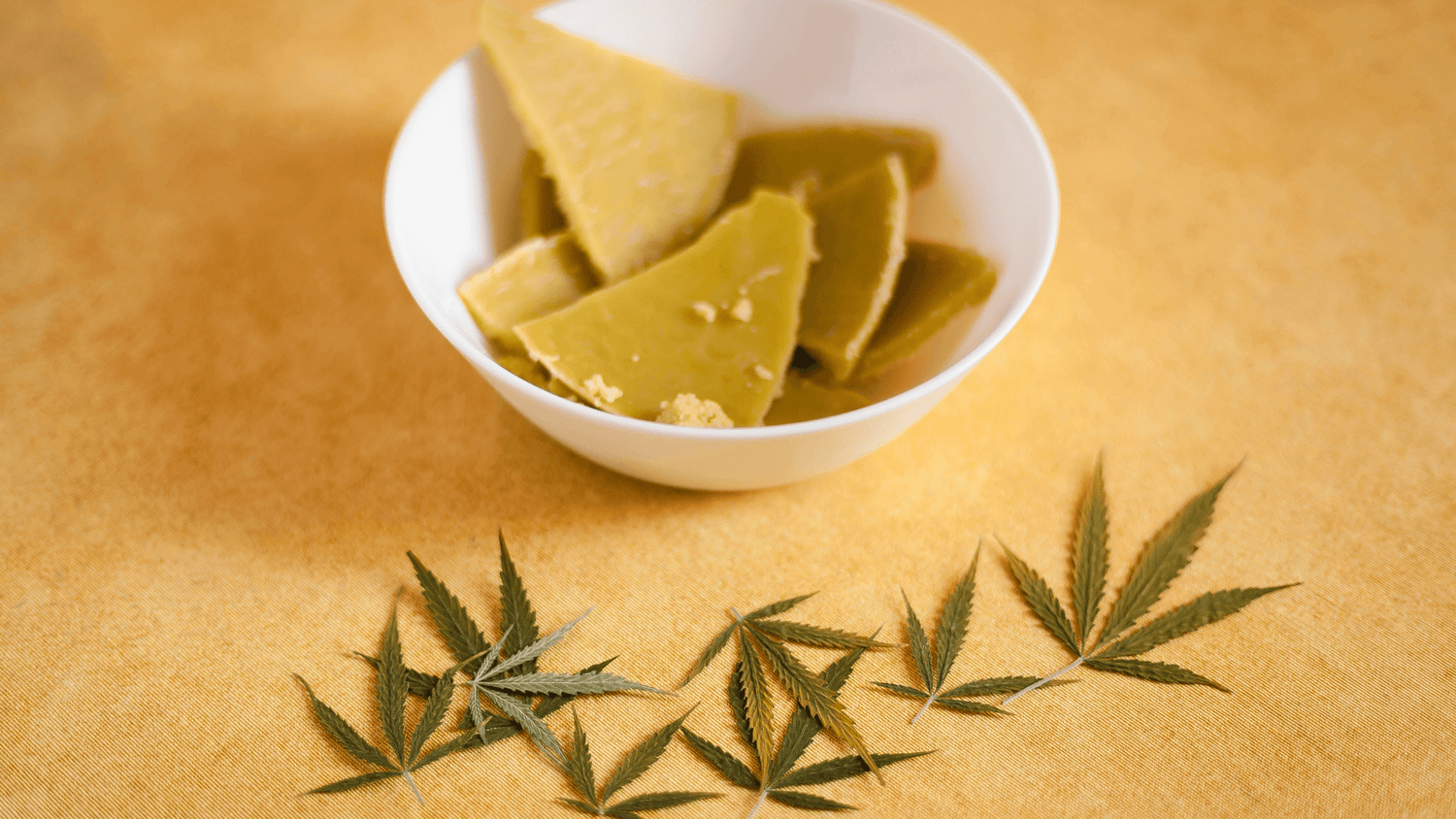
Cannabis-infused butter — commonly called weed butter or cannabutter — is the foundation of most homemade edibles. But what happens when you find an old jar in the back of the fridge? Does weed butter go bad? The short answer: yes — just like regular butter, it can spoil. How quickly depends on how it was made, how it's stored, and a few factors most people don't think about.
🔑 Cannabutter Shelf Life: Key Takeaways
Also in this guide
Potency fades in storage. Verify your cannabutter before every batch.
Test with tCheck →
How Long Does Weed Butter Last?
Cannabutter shelf life tracks closely with regular butter, but the infusion process introduces additional variables. Here's what to expect under typical home conditions:
| Storage Method | Typical Shelf Life | Best Practices |
|---|---|---|
| Room temperature | 1–2 days max | Avoid entirely — heat accelerates spoilage and potency loss |
| Refrigerator | 2–4 weeks | Airtight glass container, away from light |
| Freezer | Up to 6 months | Vacuum-sealed portions; avoid repeated freeze-thaw cycles |
| Vacuum-sealed freezer | Up to 12 months | Best long-term option; label with date and potency |
Several factors can shorten these timelines significantly. Unsalted butter lacks the preservative properties of salted varieties, so it spoils faster. Any contamination during the infusion process — a wet spoon, an unwashed strainer, crumbs from earlier batches — introduces microbes that accelerate breakdown. The straining method also matters: improperly strained plant material left in the butter will cause it to go rancid much faster than a clean, filtered batch.
Water content is another underappreciated factor. Some infusion methods (especially slow cooker or stovetop methods) can introduce water into the butter. Water creates a perfect environment for mold and bacterial growth. If your cannabutter has an unusual amount of liquid separation after cooling, that's a sign of excess water — use it quickly or discard it.
Signs Weed Butter Has Gone Bad
The signs of spoiled cannabutter are similar to regular butter, but can be more subtle. Trust your senses — they're reliable here:
- Rancid or sour smell: Fresh cannabutter should smell mildly earthy and buttery. A sharp, sour, or "off" smell is a clear spoilage indicator.
- Visible mold: Any gray, green, black, or fuzzy growth means the batch is done. Don't try to scrape it off — mold roots penetrate deeper than what's visible.
- Discoloration: Green tinting from plant chlorophyll is normal and not a spoilage sign. However, dark brown, gray, or uneven patchy discoloration often signals rancidity.
- Odd texture: Healthy cannabutter is creamy and uniform when solid. A gritty, separated, or curdled texture — especially with visible liquid pooling — suggests breakdown.
- Bitter or sour taste: If the smell passes inspection but the taste is off, stop eating it. Your palate catches what your nose misses.
When in doubt, throw it out. Spoiled cannabutter can cause foodborne illness — and the discomfort of eating bad butter compounds quickly when there's THC involved.
How to Store Cannabutter Properly
A few simple habits dramatically extend the life of your cannabutter and protect its potency:
- Use airtight glass containers: Glass is chemically neutral and won't leach compounds into your butter. Mason jars with rubber-sealed lids are ideal. Avoid plastic — especially for long-term storage.
- Label every container: Write the infusion date, strain used, and — critically — the potency reading. If you test with tCheck before storing, you'll know exactly what you're working with months later.
- Store away from light and heat: The back of the refrigerator (not the door) is better than a shelf, which experiences temperature swings every time the fridge opens.
- Keep away from strong odors: Butter is highly absorbent. Store it away from fish, onions, or strongly scented foods — it will take on those flavors.
- Use clean utensils every time: Never double-dip or use a utensil that touched other foods. Contamination is the fastest route to spoilage.
- Clarify your butter first: Removing milk solids before infusing dramatically extends shelf life, since milk solids are the part most prone to spoilage. Clarified (ghee-style) cannabutter can last significantly longer in the fridge.
Does Weed Butter Lose Potency Over Time?
Yes — and this is where many home infusers get caught off guard. The butter going "bad" and the cannabinoids degrading are two separate processes, and potency loss can happen even when the butter still smells and looks fine.
THC is sensitive to three main environmental stressors: light, heat, and oxygen. In storage, these work slowly but continuously. Studies on cannabis decarboxylation and degradation show that THC converts to CBN (cannabinol) over time through oxidation — a process that accelerates with exposure to any of the three factors above.
What this means practically: cannabutter stored in a clear glass jar on a warm countertop may lose 10–20% of its potency within a few weeks. The same butter stored in a dark glass jar at the back of the refrigerator retains potency much longer.
The only way to know your actual potency — both before and after storage — is to test. This is exactly the use case the tCheck potency tester was built for: at-home readings that tell you the real mg/ml so your dosing stays accurate regardless of how long the butter has been sitting.
Freezing Cannabutter for Long-Term Storage
If you've made a large batch and can't use it within a month, the freezer is your best option. Done right, frozen cannabutter retains potency and freshness for up to 6–12 months.
The key to freezer storage is portion control and airtightness. Rather than freezing one large block, divide your cannabutter into single-use or recipe-ready portions before freezing. Silicone ice cube trays or small silicone molds work perfectly — each cube becomes a pre-measured dose you can pop out without thawing the entire batch.
- Fill each mold, allow to solidify in the fridge first, then transfer to the freezer
- Once frozen solid, pop out the cubes and store in a vacuum-sealed or zip-lock freezer bag with the air removed
- Label with potency per cube (e.g., "~15mg THC per cube") and the date
- Avoid thawing and refreezing — each cycle stresses the cannabinoids and introduces condensation
When ready to use, thaw in the refrigerator overnight rather than at room temperature. This minimizes condensation and preserves texture.
Test Your Cannabutter with tCheck
Don't guess at potency — especially after storage. The tCheck THC & CBD Potency Tester gives you fast, accurate readings right in your kitchen, so you always know the real strength of your butter before it goes into a recipe.

Here's how testing helps you use your cannabutter safely:
- Test when you first make it to establish a baseline — this tells you exactly how potent your starting material is
- Test again after extended storage to see if potency has degraded, so you can adjust recipe amounts accordingly
- Dose edibles accurately — once you know your butter's real mg/ml, the math for safe, consistent dosing becomes simple
Frequently Asked Questions
Can you use cannabutter that smells a little off?
No — trust your nose. Rancid butter carries harmful compounds regardless of the cannabis content. Even a mild off-smell means the butter is past its prime. Toss it and make a fresh batch.
Does refrigerating cannabutter affect the THC?
Refrigeration is the correct storage choice — it slows oxidation and prevents the bacterial growth that causes spoilage. Cold temperatures do not degrade THC. Heat, light, and air do.
Can you freeze cannabutter in a glass jar?
Yes, with one cavaeat: leave at least 1 inch of headroom in the jar before freezing. Water expands when frozen, and a completely full jar can crack. Canning-quality mason jars handle freezer temperatures well.
How do I know if my cannabutter has lost potency without testing?
You can't know reliably without a potency tester. The color, smell, and texture of cannabutter don't reflect cannabinoid levels. The only way to verify potency after storage is to measure it with an at-home tool like the tCheck device.
What is the longest cannabutter can last in the freezer?
Properly vacuum-sealed and frozen cannabutter can retain quality for up to 12 months. Beyond that, the butter itself may develop freezer burn and off-flavors, even if the cannabinoids haven't fully degraded. Most home infusers find the 3–6 month range is practical and safe for best flavor and potency.
Does cannabutter go bad faster than regular butter?
The timeline is similar, but improperly strained cannabutter (with plant material remaining) can spoil faster than regular butter because the organic matter from the cannabis plant breaks down quickly. A clean, well-filtered infusion will keep as long as the butter itself.

So, does weed butter go bad? Yes — but with proper storage, it can last for months and retain its potency. Refrigerate in an airtight glass container for short-term use, freeze in single-dose portions for long-term batches, and always test potency with tCheck cannabutter potency tester before baking so you're never guessing the dose in your edibles.