Updated September 17, 2026 · Originally published August 30, 2023

Do Edibles Expire? If you're a gummy-loving cannabis enthusiast, this question has probably crossed your mind. The answer isn't straightforward — the shelf life of your favorite THC-infused treat depends on several factors: ingredients, storage methods, and even the original potency of the cannabis used to make it. The short answer: yes, edibles do expire. But with the right storage habits, you can extend their lifespan and preserve potency significantly longer.
🔑 Do Edibles Expire? Key Takeaways
-
What you'll learn:
Do Edibles Expire? | Do Edibles Lose Potency? | Do THC Gummies Expire? | Best Storage Methods | How to Measure THC Potency - Yes, edibles expire: Cannabis edibles have shelf lives ranging from one week (fresh baked goods) to two-plus years (tinctures), depending on type and storage.
- Storage is everything: Airtight containers, cool temperatures, and freezing significantly extend freshness — vacuum sealing provides maximum protection.
- Potency fades before food safety does: THC and CBD degrade gradually — use the tCheck potency tester to verify remaining potency before consuming older edibles.
Do Edibles Expire?
Yes — edibles expire just like any other food. Their lifespan varies widely by type. Cannabis-infused baked goods contain perishable ingredients (eggs, dairy, oil) that spoil quickly. Gummies and hard candies, with their low moisture content, last considerably longer. And cannabis tinctures — alcohol-based extracts — can remain stable for years with proper storage.
Freshness vs. Expiration Dates
It's worth separating two distinct questions: Is it still safe to eat? and Is it still potent? An expiration date reflects when the food itself is likely to spoil — not when the cannabinoids have degraded. A gummy might remain safe to eat well past its printed date, but deliver noticeably weaker effects. Conversely, a brownie can look and smell fine while having lost significant potency.
If your edibles aren't delivering the expected effects, age-related cannabinoid degradation may be the cause — not your dosage or tolerance. Eating expired edibles generally won't harm you (unless there's visible mold — see the checklist below), but expect diminished results.
Do Edibles Lose Potency Over Time?
Yes — and this is often the more important concern. THC and CBD degrade through oxidation: exposure to oxygen, heat, light, and humidity all accelerate cannabinoid breakdown. Research suggests THC can degrade at a rate of roughly 16% per year at room temperature under average conditions. Exposure to heat or UV light dramatically accelerates that rate.
This applies to everything from cannabutter-baked brownies to gummies left in a warm cabinet. Even a perfectly sealed product loses some potency over time — proper storage simply slows the process.
💡 Pro Tip: Test Before You Consume
If you're not sure whether older edibles are still effective, don't guess at the dose — test them. An tCheck home potency tester gives you accurate THC and CBD readings in minutes, so you know exactly what you're consuming before you eat any.
Do THC Gummies Expire?
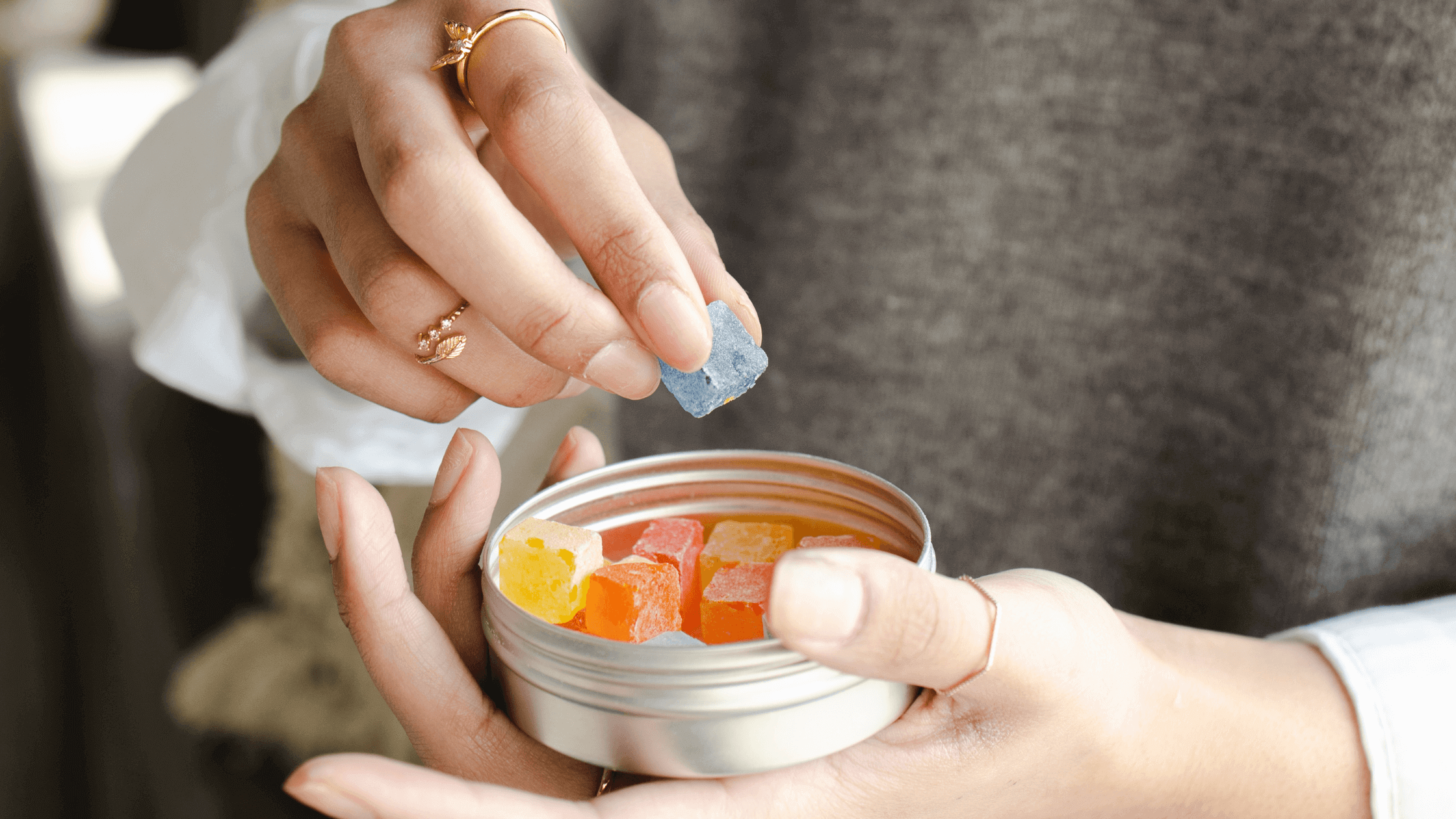
Yes — but gummies are among the most shelf-stable edible formats. Their low moisture and sugar-based structure resist mold and bacterial growth, making them far more durable than baked goods. A properly sealed gummy can remain physically safe to eat for six months to a year or longer at room temperature.
That said, safe to eat and still potent are two different things. Gummies stored at room temperature — especially in warm or sunny spots — lose THC potency faster than refrigerated or frozen versions. A jar of gummies left in a warm car for a few weeks may still look and taste fine while delivering noticeably weaker effects.
THC Gummy Shelf Life by Storage Method
- Room temperature (dark, sealed container): Safe 6–12 months; noticeable potency loss possible after 3–6 months
- Refrigerator: 12+ months of freshness; slower potency degradation than room temp
- Freezer (vacuum sealed): 1–2 years; minimal potency loss if properly sealed
- Avoid: Heat, direct sunlight, and humidity — all dramatically accelerate degradation
Cannabis Edible Shelf Life Comparison
Different edible types vary enormously in shelf life. Use this as a general reference:
| Edible Type | Room Temp | Refrigerator | Freezer |
|---|---|---|---|
| Baked Goods (brownies, cookies) | 3–7 days | 2–3 weeks | Up to 6 months |
| THC Gummies | 6–12 months | 12+ months | 1–2 years |
| Hard Candies | 6–12 months | 1+ year | 1–2 years |
| Cannabutter | 2–4 weeks | 1–3 months | 6–12 months |
| Infused Oils | 2–4 weeks | 1–2 months | 6–12 months |
| Cannabis Tinctures | 1–2 years | 2+ years | Not required |
Swipe the table sideways to see every column.
These are general estimates. Actual shelf life depends on ingredients, seal quality, and storage conditions. Potency can degrade before visible spoilage occurs.

Signs Your Edibles Have Gone Bad
Before consuming any edible that's been stored for a while, run through this checklist:
- Visible mold: Any fuzzy growth means discard immediately — no exceptions
- Off smell: Rancid, sour, or musty odor in oil-based or butter-based edibles indicates spoilage
- Texture changes: Gummies that have crystallized, become rock-hard, or turned extremely sticky and clumped have degraded
- Unusual discoloration: Darkening or color spots on baked goods can signal oxidation or mold
- Weaker-than-expected effects: If your usual dose feels significantly less effective, potency has degraded — consider testing before continuing
- Past expiration date: Not always a hard cutoff, but edibles past their printed date may be less potent even if they look fine
Best Ways to Store Edibles
Preserving freshness and potency comes down to controlling four variables: oxygen, heat, light, and moisture. Get these right and you'll significantly extend the useful life of any edible type.
Airtight Containers: The First Line of Defense
Oxygen is the primary driver of cannabinoid degradation. Keep everything — gummies, infused oils, baked goods — in airtight containers with a tight seal. Glass mason jars are ideal: they don't absorb odors, provide a strong oxygen barrier, and are easy to clean. Store in a cool, dark location like a pantry or cabinet, well away from ovens, windows, or warm appliances.
Cold Storage: Refrigeration for Freshness
Refrigeration slows both food spoilage and cannabinoid oxidation. Fresh-baked cannabis goods behave just like their non-cannabis counterparts — similar timelines in the fridge, similar risks of drying out or absorbing other food smells. Wrap or seal baked goods tightly before refrigerating. For gummies, the fridge is an excellent long-term storage option that avoids the texture changes that freezing can cause.
The Freezer Method: Long-Term Solution
Freezing is the most effective long-term preservation method for nearly all edible types. Properly sealed and frozen edibles can maintain quality and potency for months beyond what refrigeration allows. Cannabutter and infused oils freeze especially well — portion into small amounts before freezing so you only thaw what you need.
Note on gummies and freezing: THC gummies can be frozen, but some texture change after thawing is common — they may become softer or slightly sticky. Potency is preserved; texture is the only tradeoff. If texture is important to you, refrigeration is the better long-term option for gummies specifically.
Vacuum Sealing: Maximum Freshness Extension
Vacuum sealing removes virtually all oxygen before sealing, which dramatically slows oxidation. When combined with freezer storage, this is the single most effective way to preserve both freshness and potency over long periods. It's especially valuable for cannabutter, infused oils, and baked goods you want to keep for months.
Best practices for vacuum sealing edibles:
- Pre-freeze baked goods for 1–2 hours before vacuum sealing to prevent crushing
- Use food-grade bags rated for freezer use
- Seal in small single-serving or small-batch portions so you're only exposing a small amount at a time
- Label each bag with the edible type, date, and estimated potency — test with tCheck before sealing so you always know the mg/dose when you thaw
- Store vacuum-sealed bags in the freezer for maximum shelf life extension

💡 Seal in the Potency Reading
Before vacuum sealing a batch to freeze, run a quick test with your tCheck home potency tester and write the mg/serving right on the bag. Six months later when you pull it out, you'll know exactly how strong it is — no guessing, no accidental overdose.

How Can You Measure the THC Potency of Your Edibles?

Whether you're making your own edibles or want to verify what's left in a stored batch, the tCheck home potency tester removes all the guesswork from dosing.
Why Potency Testing Matters Alongside Storage
The challenge with stored edibles isn't just spoilage — it's potency drift. Knowing the THC concentration before you store (and checking again after extended storage) gives you complete control over your experience. This matters especially for medical users who depend on consistent dosing, and for anyone who wants to avoid under- or over-consuming older batches.
Precision and Consistency
tCheck uses ultraviolet spectrometry to deliver accurate THC and CBD readings within minutes. It produces consistent results across batches, making it easy to track potency changes in stored edibles over time. No lab equipment or chemistry knowledge required — just a small sample and a couple of minutes.
Easy to Use, Anywhere
The interface is intuitive enough for first-time users. A companion app (iOS and Android) lets you log and track test results over time — useful for monitoring how stored edibles degrade month to month, and for keeping a record of every batch you make.
Works Across All Edible Types
tCheck handles more than baked goods. Whether you're testing infused oils and butters, verifying cannabutter potency before baking, or checking gummies that have been frozen for months — this device covers it all. Compact enough to keep in a kitchen drawer and use whenever you need it.
Know what you're consuming before you eat it
Accurate THC and CBD potency readings in minutes — for any edible type
Shop tCheck 3 →Conclusion
Yes, edibles expire — but their lifespan is largely within your control. A few key takeaways:
- Edibles lose potency before they become unsafe — storage quality determines how fast
- Airtight containers, cool temperatures, and darkness are the baseline for every edible type
- Refrigeration, freezing, and vacuum sealing each extend shelf life significantly further
- Test potency with a tCheck potency testing device before storing and when pulling older batches
- Watch for mold, off smells, texture changes, and diminished effects as signs to discard
If you're serious about maximizing your edibles' shelf life and maintaining consistent dosing, combine smart storage with regular potency testing. That's the only way to truly know — not guess — what you're consuming. And for enjoying safe consumption, knowing is always better than assuming.
FAQs: Do Edibles Expire?
How long do edibles last?
It varies significantly by type. Baked goods last 3–7 days at room temperature (up to 6 months frozen). THC gummies and hard candies can last 6–12 months sealed at room temperature. Tinctures last 1–2 years. For anything you plan to keep longer than a few weeks, refrigeration or freezing is recommended.
Is it safe to eat expired edible gummies?
Generally yes — expired gummies won't make you sick if there's no visible mold or rancid smell. However, they're likely to deliver weaker effects than expected due to THC degradation. Always inspect for mold, unusual odors, or significant texture changes before consuming any expired edible.
Do cannabis edibles expire faster than regular food?
Not necessarily in terms of food safety — baked cannabis goods spoil at roughly the same rate as their non-cannabis counterparts. However, cannabis edibles lose potency before they lose food safety. THC and CBD degradation is usually the more important concern for most users.
Do edible gummies expire?
Yes. THC gummies have a longer shelf life than baked edibles due to their low moisture content, but they do degrade over time. Properly sealed and stored gummies typically remain fresh and reasonably potent for 6–12 months at room temperature, and considerably longer when refrigerated or frozen.
Do edibles lose potency over time?
Yes. THC and CBD oxidize and degrade gradually even in sealed packaging. Heat, light, and humidity accelerate this process. Research suggests cannabinoids degrade at roughly 16% per year at room temperature. Cool, dark, airtight storage slows the process — and testing periodically with a device like tCheck lets you track exactly how much potency remains.
Can you freeze THC gummies?
Yes. Freezing is effective at preserving gummy potency long-term. The main downside is texture change after thawing — gummies may become softer or slightly sticky. This doesn't affect potency. For best results, vacuum seal before freezing and thaw in the refrigerator rather than at room temperature.
How does vacuum sealing extend edible shelf life?
Vacuum sealing removes oxygen from the packaging, which is the primary driver of cannabinoid oxidation and food spoilage. Combined with freezer storage, vacuum-sealed edibles can last significantly longer than standard containers. Seal in small portions so you only open what you need, keeping the rest fully protected.
How can you tell if edibles have gone bad?
Key signs: visible mold or fuzzy growth (discard immediately), rancid or musty odor, gummies that have crystallized or become extremely sticky, unusual discoloration in baked goods, or noticeably weaker-than-expected effects. When in doubt about potency, test with tCheck before consuming.
More Great Cannabis Blogs
Know Your Potency Before You Dose
The tCheck Potency Tester gives you lab-accurate THC and CBD readings from your infusions in about 2 minutes — no guesswork, no wasted batches.
Get the tCheck Potency Tester →
Written by
Peichen Chang
Founder & CEO, tCheck
Peichen spent most of his career designing ASICs (computer chips) for enterprise data storage. One day, a friend asked for help dosing her homemade edibles to control Parkinson’s symptoms, and tCheck was born. When he is not communing with AIs, he is cooking, traveling, or hiking.