Updated September 22, 2026 · Originally published August 28, 2024
If you're diving into the world of cannabis, you've likely heard the term "decarboxylation" thrown around. But what exactly is decarboxylation, and why is it so crucial? Let's break it down in simple terms before we tackle some common myths.
🌿 Decarboxylation Myths: Key Takeaways
- Three myths busted: Even experienced cannabis makers get decarboxylation wrong — temperature precision, oven reliability, and which products need it are all widely misunderstood
- Optimal method: 230°F (110°C) for 40–60 minutes is the sweet spot for converting THCA to THC without degrading your cannabinoids
- Test for precision: Verify your decarb worked with a tCheck infusion potency tester before committing expensive cannabis to an infusion
In This Article

What is Decarboxylation?
Decarboxylation is a chemical process that transforms the cannabinoids in raw cannabis into their active forms. When cannabis is in its raw state, it contains cannabinoid acids like THCA (tetrahydrocannabinolic acid) and CBDA (cannabidiolic acid). These acids are not psychoactive on their own — they need to be converted into THC and CBD to provide the effects that users seek.
This conversion happens when cannabis is exposed to heat. The heat removes a carboxyl group (COOH) from the cannabinoid acids, resulting in active THC and CBD. This process is essential for ensuring that your cannabis products deliver their full potency and benefits. Without decarboxylation, your edibles, tinctures, or any other cannabis-infused products might not deliver their intended potency.
Now that we've got a handle on what decarboxylation is, let's bust some common myths that can mislead even seasoned cannabis enthusiasts.
Three Decarboxylation Myths, Busted
Myth 1: Decarboxylation is Just a Fancy Word for Heating Cannabis
Busted: While heating cannabis is a part of the decarboxylation process, it's not as straightforward as it sounds. Decarboxylation involves more than just applying heat — it's a precise chemical reaction where the carboxyl group is removed from cannabinoid acids. This conversion is what activates THC and CBD, making them effective.
To achieve successful decarboxylation, you need to manage both temperature and time carefully. Too little heat won't activate your cannabinoids fully, while too much heat can degrade them. Using accurate tools and following specific guidelines is key to ensuring your cannabis is potent and ready to use.
Myth 2: Decarboxylating Cannabis in the Oven is Fail-Proof
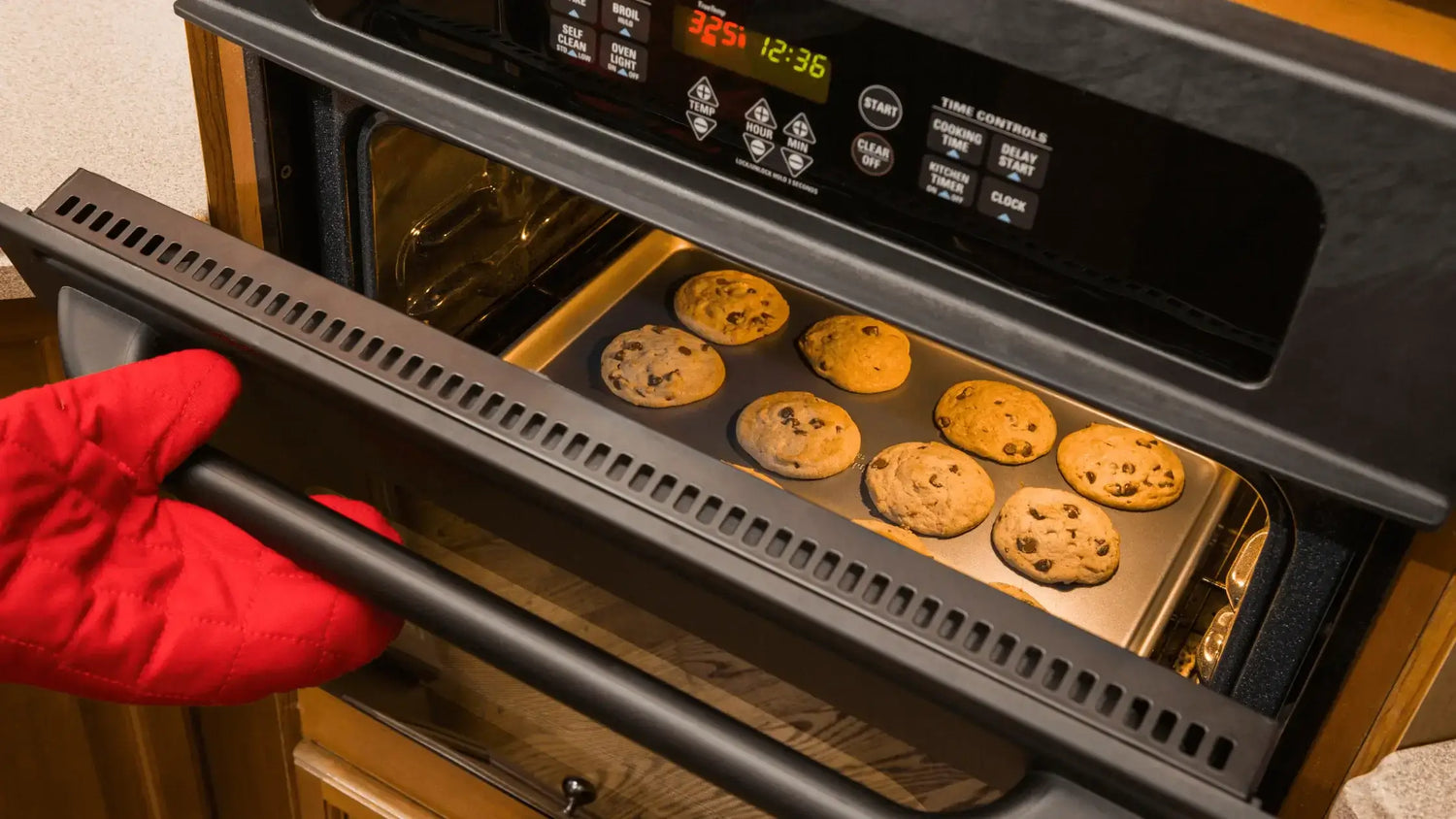
Busted: Although an oven can be used for decarboxylation, it's not as simple as baking a batch of cookies. The process requires precise temperature control and timing — the recommended sweet spot is 230°F (110°C) for 40–60 minutes. Many home ovens run hot or cold by 25°F or more, which can lead to inconsistent results. The good news: at or below 230°F, running a little long does no harm, so when in doubt add time rather than heat (see the data).
For optimal decarboxylation, it's recommended to use specialized devices designed for this purpose. These tools offer precise temperature control and ensure consistent results, making the process much easier and more reliable than relying on an oven alone. After decarbing with any method, testing with a portable THC potency tester confirms the conversion actually worked before you commit your cannabis to an infusion.
Myth 3: Decarboxylation is Only Important for Edibles
Busted: While decarboxylation is crucial for edibles to ensure cannabinoids are active and effective, it's not just relevant to baking. The process is equally important for any cannabis product intended for consumption or therapeutic use — including tinctures, capsules, and topicals.
Whether you're making cannabis-infused oil, tinctures, or topicals, understanding decarboxylation helps you optimize the potency and consistency of your products. Ensuring proper decarboxylation can enhance the efficacy of your cannabis-derived products, no matter how you plan to use them.

Unlock the Power of Decarboxylation with tCheck
Grasping the science of decarboxylation can elevate your cannabis experience, making your products more effective and enjoyable. But getting it right requires the right tools and knowledge — and that's where precision testing comes in. An tCheck cannabis potency testing device like tCheck lets you confirm your decarb was successful before you invest time and cannabis in a full infusion batch.
Want to dive deeper into cannabis science and stay updated on the latest industry trends? Subscribe to our email list for expert tips, exclusive content, and the latest updates from tCheck. Join our community of cannabis enthusiasts and experts who are maximizing their cannabis experience. Ready to bust more myths and unlock the full potential of your cannabis? Click here to subscribe to our newsletter and stay at the forefront of cannabis innovation!

What This Means For You
Decarboxylation might sound complicated, but it's really just an important step to get the best results from your cannabis. By understanding the facts and avoiding these common myths, you can make better, more effective infusions at home. And when you pair that knowledge with precise potency testing, you take full control of your results every time.
Keep learning, keep it simple, and get the most out of your cannabis — with confidence backed by real data.
Frequently Asked Questions
Is decarboxylation just a fancy word for heating cannabis?
No — it's much more specific than that. Decarboxylation is a precise chemical reaction in which the carboxyl group is removed from THCA and CBDA, converting them to active THC and CBD. Simply heating cannabis without controlling temperature and time can result in partially activated or degraded cannabinoids. The optimal range is 230°F (110°C) for 40–60 minutes.
Is the oven the best way to decarboxylate cannabis?
Ovens can work, but they're not the most reliable method because most home ovens fluctuate ±25°F from the set temperature. Specialized decarboxylation devices offer more precise temperature control. Regardless of method, testing your infusion with a tCheck home potency tester afterward confirms whether the conversion was successful.
Do I need to decarboxylate cannabis for tinctures and topicals, or just edibles?
You need to decarboxylate for any cannabis product where you want active THC or CBD — not just edibles. Tinctures, capsules, and oil-based topicals all benefit from proper decarboxylation. Without it, the THCA remains unconverted and your product won't deliver its intended effects.

Written by
Peichen Chang
Founder & CEO, tCheck
Peichen spent most of his career designing ASICs (computer chips) for enterprise data storage. One day, a friend asked for help dosing her homemade edibles to control Parkinson’s symptoms, and tCheck was born. When he is not communing with AIs, he is cooking, traveling, or hiking.