Updated April 25, 2026 · Originally published December 27, 2024
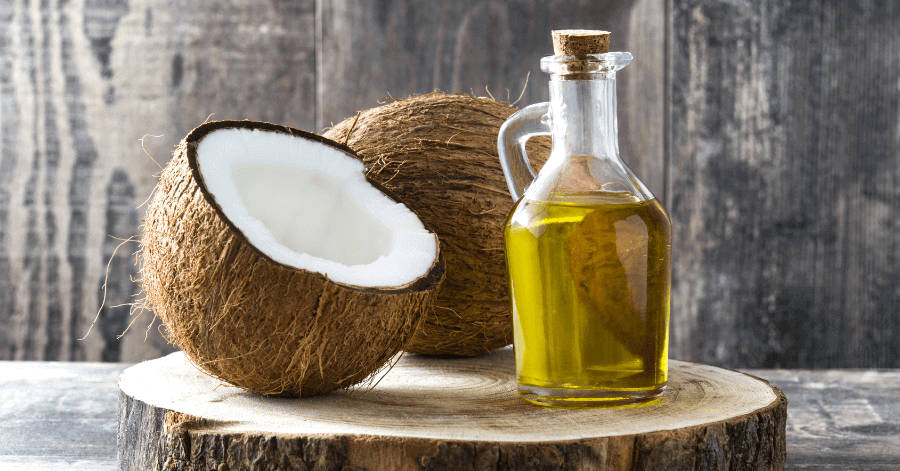
You can test how potent a coconut oil infusion is with a tCheck, but do you know how to make it? If you're looking to make homemade cannabis-infused products like edibles or topicals this is the guide for you! With an tCheck at-home THC & CBD Potency Tester, you can keep your infusion at the perfect potency. Here's how to do it:
🌿 Cannabis Coconut Oil: Key Takeaways
- Five easy steps: Decarb, combine, heat, strain, and store your infused coconut oil
- Why coconut oil: High saturated-fat content binds cannabinoids more effectively
- Test for precision: Measure potency with tCheck before cooking or baking
How to Infuse Coconut Oil with THC

What You'll Need
- 1 cup of coconut oil
- 1/4 ounce of decarbed marijuana
- A slow cooker
- A tCheck device and kit
Step 1: Decarboxylate your cannabis
To activate the THC in your cannabis, it needs to be decarboxylated. If you're new to the infusing world, no worries, we've explained decarboxylation too.
To properly decarboxylate your weed, preheat your oven to 230°F and place your cannabis on a baking sheet. Bake for 40–60 minutes. This will convert THCa into THC which is the main psychoactive compound that'll make you feel lifted and fuzzy.
Step 2: Infuse the Coconut Oil with Cannabis

In a slow cooker, combine 1 cup of coconut oil with 1/4 ounce of decarboxylated cannabis. Set the slow cooker to low heat and let the mixture infuse for 4-6 hours, stirring occasionally. Be sure to keep the temperature below 200°F, as higher temperatures can degrade the THC.
Step 3: Strain Your Oil
Once the infusion is complete, let it cool and strain out the cannabis pulp. You can use a cheesecloth or fine-mesh strainer to ensure that all the cannabis pulp is removed.
Step 4: How to test THC in your cannabis oil
Once the infusion is complete, let it cool and strain out the cannabis pulp. Then, using a dropper, transfer a small amount of the infused oil into the tCheck syringe. Place a filter on the syringe and push the oil into your reusable tray. Insert the tray into your tCheck device and wait about 2 minutes for your results.
Step 5: Adjust the Potency as Needed
If the potency is too low, you can add more decarboxylated cannabis to the infusion and repeat the process. If the potency is too high, you can dilute the infusion with more coconut oil.
And voila! From here you can bake as normal– brownies, cookies, fudge– you name it! Here are a few sweet and simple recipes to get you started. Ready to infuse? Make sure you have all the necessary tools locked and loaded.

The Takeaway
Infusing coconut oil at home is easier than it seems and opens the door to so many creative recipes. By following the right steps and keeping the process slow and steady, you can get great results every time.
The key is knowing your potency so you can enjoy your creations safely and confidently. With tCheck, you can test your infusion and take full control of your dosing. Keep it simple, have fun, and create better infusions with tCheck!
Frequently Asked Questions
How long does cannabis coconut oil infusion take?
The infusion process takes 4–6 hours in a slow cooker on low heat. Add 30–40 minutes for decarboxylation and 20 minutes of cooling time, and you’re looking at 5–7 hours total from start to finish. Keep the temperature below 200°F throughout to preserve cannabinoids.
Why is coconut oil ideal for cannabis infusion?
Coconut oil has roughly 90% saturated fat content, making it one of the best carriers for cannabinoids. Higher saturated fat means more efficient binding of THC and CBD during the infusion process. This results in a more potent final product compared to lower-fat oils.
How do I test the potency of my cannabis coconut oil?
Use the tCheck THC & CBD potency tester. After straining your infusion, transfer a small sample into the tCheck syringe, push it through the filter into the reusable tray, insert the tray into the device, and wait about 2 minutes. You’ll get a precise mg/mL reading so you can calculate exact dosing for every recipe.

Written by
Peichen Chang
Founder & CEO, tCheck
Peichen spent most of his career designing ASICs (computer chips) for enterprise data storage. One day, a friend asked for help dosing her homemade edibles to control Parkinson’s symptoms, and tCheck was born. When he is not communing with AIs, he is cooking, traveling, or hiking.